What’s In This Guide
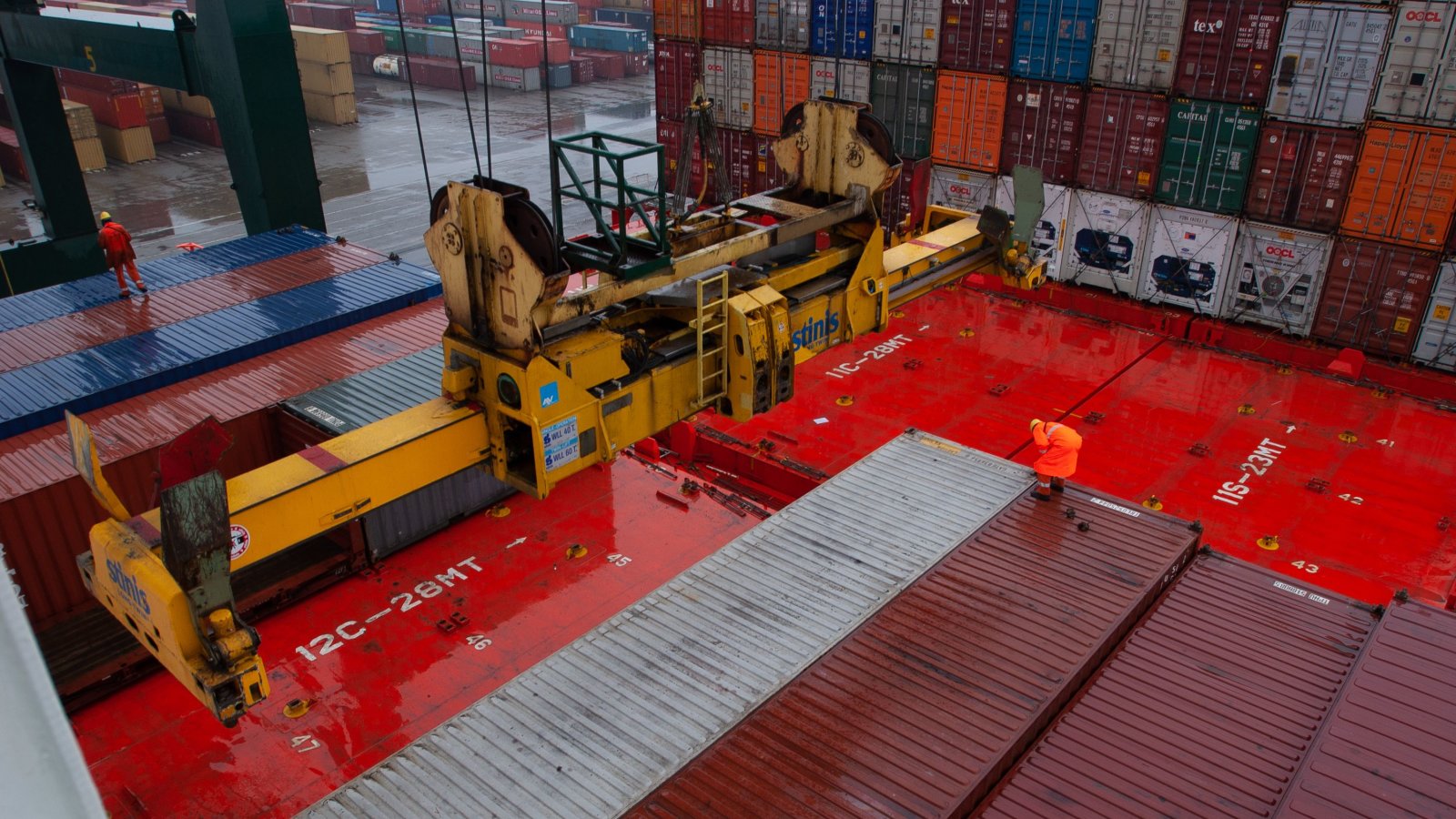
A container does not need to sit at a New York-area terminal for long before free-time pressure becomes an operations problem. When managing drayage and demurrage, shippers should understand that demurrage charges generally apply when import cargo remains at a marine terminal beyond the applicable free period. For shippers, the practical issue is not simply understanding the fee. It is controlling the handoffs that determine whether a container can leave the terminal on time.
The Federal Maritime Commission (FMC) found that demurrage and detention charges can incentivize cargo to move more quickly and improve freight velocity at ports. That makes early coordination central to reducing exposure: know when the container is actually available, remove holds quickly, secure a pickup plan, and make sure the receiving site can accept the load.
Quick Facts
- Container availability should be monitored before dispatch, not assumed from vessel arrival.
- Terminal holds, missing releases, or appointment constraints can consume usable free time.
- Pickup scheduling works best when drayage capacity is arranged before cargo becomes available.
- The receiving facility must be ready for the container, driver, chassis, and unloading window.
- Documentation of availability, holds, appointments, and disruptions can support later billing reviews.
Where Demurrage Risk Builds During a New York Drayage Move
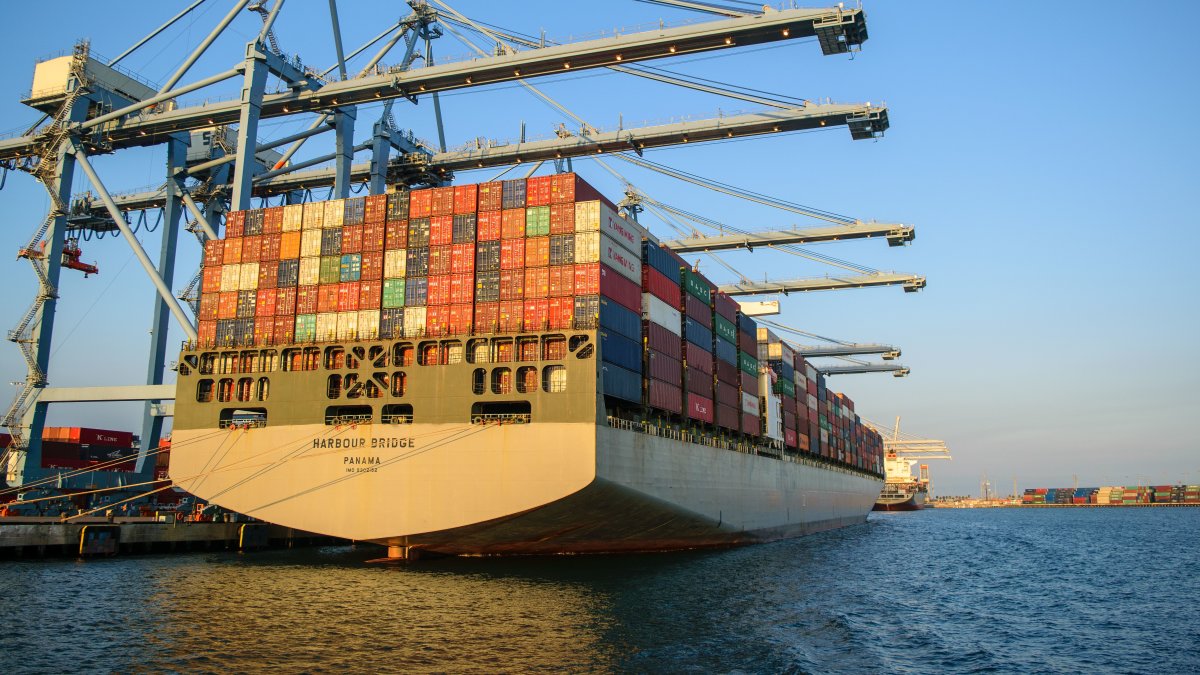
Demurrage risk usually develops across several connected steps rather than from one isolated delay.
1. Vessel Arrival and Container Availability
A vessel arrival does not automatically mean the container is ready for pickup. The container may still need to be discharged, cleared, released, or made physically accessible. The Port Authority of New York and New Jersey’s Truckers Resource Guidebook directs users to PortTruckPass and its Terminal Information Portal System (TIPS) for container availability, terminal updates, vessel schedules, and related information.
2. Release and Hold Clearance
Before an import pickup, the same Port Authority guide lists the freight release, container number, and bill of lading number among the items that should be ready. Customs, carrier, terminal, or documentation holds can block pickup even when a truck is available. Shippers should confirm release status before assigning a driver.
3. Pickup Scheduling
Drayage providers need adequate lead time to secure drivers, equipment, and terminal appointments before free time expires. For intermodal moves, coordinating New York rail drayage pickups and handoffs requires clear communication across terminals and carriers to prevent delays.
4. Destination Readiness
The move is not complete when the container exits the terminal. The warehouse or consignee needs a confirmed receiving window, dock or unloading area, labor, and equipment. If the destination cannot receive the load, the drayage plan may stall after pickup and create separate detention or redelivery issues.
How to Reduce Demurrage Exposure Through Drayage Planning
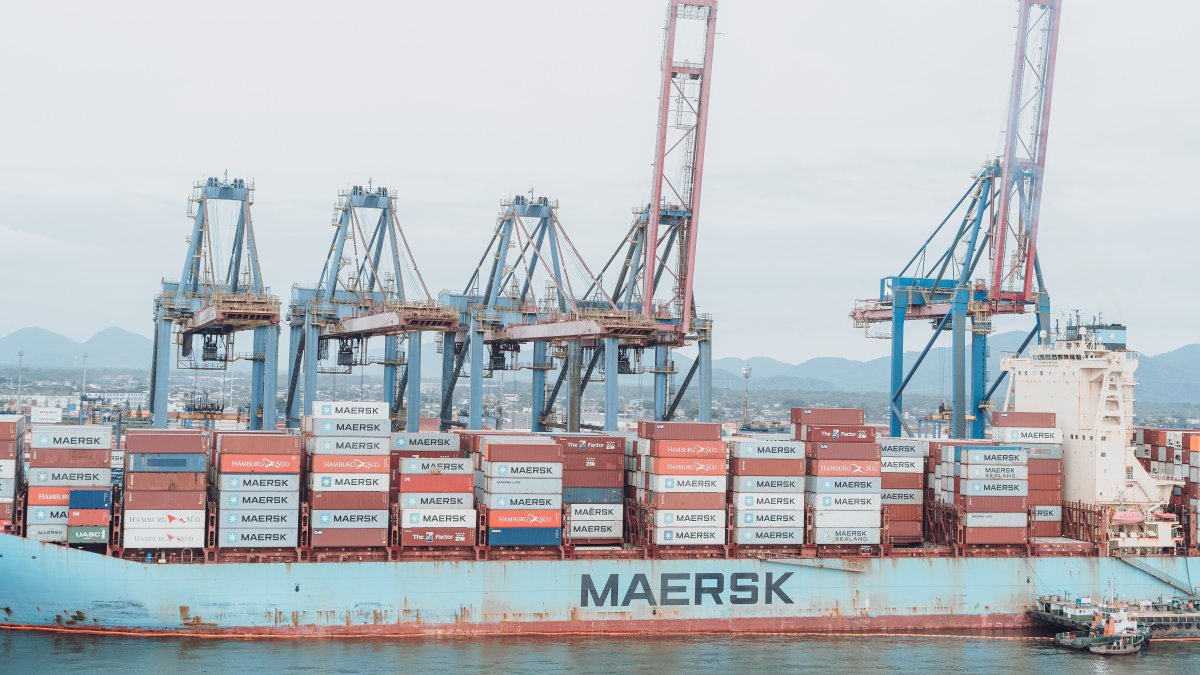
Cost planning should begin before the container arrives. Providing complete shipment details when requesting an accurate New York drayage quote helps identify expected transportation costs, accessorial charges, and scheduling requirements.
- Pre-plan the move. Share the bill of lading, container number, terminal, estimated arrival, commodity details, delivery address, and receiving constraints with the drayage provider early.
- Track availability and holds. Monitor terminal systems and carrier updates instead of relying only on the vessel ETA.
- Confirm releases before dispatch. Verify that freight, customs, and other required releases are complete.
- Schedule pickup as soon as practical. Match container availability with driver capacity and any applicable appointment requirements.
- Confirm the destination. Make sure the receiver can accept the container during the planned delivery window and has unloading resources ready.
- Record exceptions. Save screenshots, notices, appointment records, hold information, closure alerts, and communications when a container cannot move as planned.
The FMC emphasizes that demurrage and detention charges must encourage cargo movement and equipment return. In 2026, the U.S. Court of Appeals for the D.C. Circuit upheld an FMC decision finding detention charges during a port closure unreasonable when equipment return was impossible. Clear records give shippers a stronger basis to review fees or document uncontrollable disruptions.
Understanding why drayage is critical to import and export shipping also helps shippers identify where terminal pickups, equipment availability, and delivery coordination affect the broader supply chain.
What a Drayage Provider Should Coordinate
Effective port drayage services manage terminal status, capacity, and final delivery by tracking availability, pickup needs, terminal visits, and delivery schedules.
When cargo requires transfer between vehicles, drayage and transloading services in New York streamline the transition. Pre-scheduling receiving facilities, equipment, and onward transport minimizes post-terminal delays.
Frequently Asked Questions
Who is typically responsible for paying demurrage charges?
Responsibility depends on the carrier or terminal tariff, shipping contract, bill of lading terms, and commercial arrangements between the parties. Shippers should confirm who is financially responsible before cargo arrives and understand how any charges will be passed through.
How is container free time determined?
Free time is the period allowed before demurrage begins to accrue. The applicable period can vary by ocean carrier, terminal, shipment, and governing tariff or agreement, so shippers should confirm the specific last free day rather than relying on a standard number of days.
What is the difference between demurrage and detention?
Demurrage applies to containers remaining at terminals past free time. Detention applies when equipment is kept past the allowed period after leaving the terminal. Understanding the difference between drayage and trucking clarifies container routing. Drayage handles short-distance moves between ports or rail terminals and facilities, whereas general trucking covers broader freight routes.
What information should a shipper review when disputing a demurrage charge?
Review the invoice, container availability records, last free day, release status, terminal appointments, holds, closure notices, communications, and other records showing whether the container could reasonably have been retrieved during the billed period.
Do weekends and holidays automatically stop demurrage from accruing?
Not necessarily. Whether weekends, holidays, closures, or unavailable pickup periods affect free time or charges depends on the applicable rules, tariff, contract terms, and circumstances. Shippers should verify how the specific carrier or terminal calculates the charge.
Reduce Avoidable Delays With Coordinated Drayage
Drayage Company By Best helps shippers coordinate port pickups, container movement, and delivery planning across the New York market. When demurrage risk is tied to timing, visibility, and handoffs, disciplined drayage operations can keep more of the process under control.
Contact Drayage Company By Best today to streamline your drayage planning and reduce demurrage risks.