What’s in This Guide
- Where Does Drayage End and Transloading Begin?
- When Is Direct Drayage the Better Choice?
- When Do Drayage and Transloading Work Better Together?
- How to Coordinate a Drayage-to-Transload Move
- What Should Importers Compare Before Choosing the Route?
- Frequently Asked Questions
- Plan the Right Handoff for Your New York Import
For importers, moving a container out of the port is only one part of the distribution process. The next decision is whether the container should move directly to its destination or first go to a facility where the freight can be transferred, sorted, or prepared for the next stage of delivery.
That is where drayage and transloading can work together. The right approach depends on factors such as the final destination, receiving requirements, equipment needs, delivery timing, and how the freight will move through the broader distribution network.
Quick Facts
- Drayage moves an ocean container from the port to a nearby facility or final receiver.
- Transloading begins when freight is transferred from one container or vehicle into another.
- Direct drayage often works best when one receiver can accept and unload the intact container.
- Combining drayage and transloading can help when cargo must be split, repalletized, shifted into domestic trailers, or prepared for several destinations.
- The right route depends on the full import flow, not just distance from the terminal.
Where Does Drayage End and Transloading Begin?
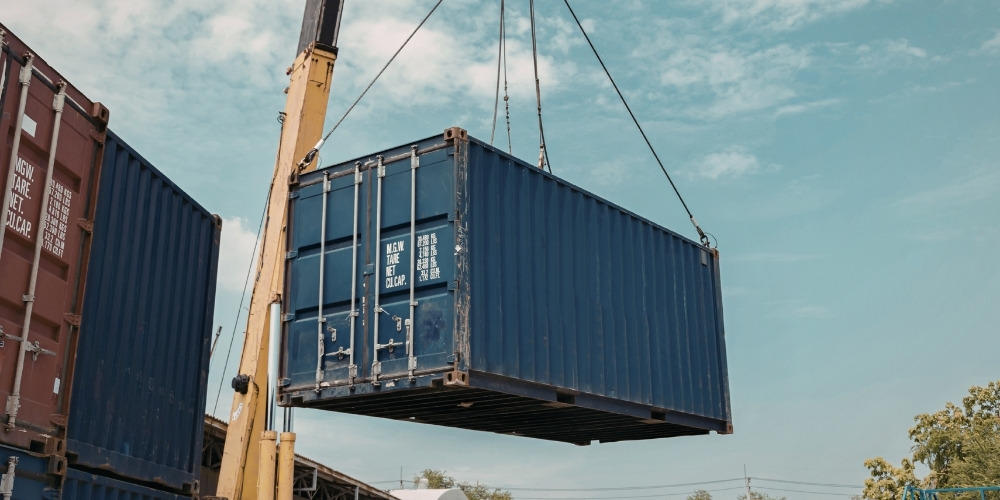
The FHWA freight glossary defines drayage as transporting rail or ocean freight by truck to an intermediate or final destination, typically over a short distance. In a New York import move, port container drayage usually begins when a released container is picked up at the marine terminal and ends at the designated receiving facility.
Transloading starts when the cargo itself is transferred. That may mean unloading cartons or pallets from an ocean container and reloading them into a domestic trailer, separating freight for different customers, or reorganizing a load for downstream distribution.
The distinction is simple: drayage moves the container; transloading changes how the freight continues moving.
When Is Direct Drayage the Better Choice?
Direct delivery is often cleaner when the container has one destination and the receiver can handle it as-is. A distribution center with dock space, unloading labor, and room for the equipment may not benefit from another handling point.
Direct drayage may also fit when the consignee needs the imported load intact or the receiving schedule aligns with terminal pickup and equipment return requirements. Adding transloading without a clear operational reason can simply create another handoff.
When Do Drayage and Transloading Work Better Together?
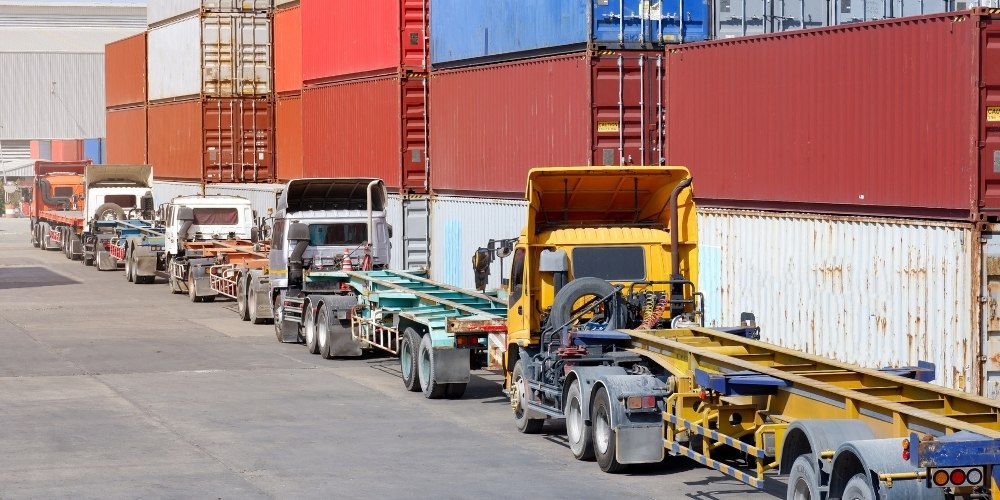
Several import scenarios make the combined model practical, especially when cargo needs to move through more than one delivery stage before reaching its final destination.
Multi-Destination Cargo
One ocean container may hold freight for several warehouses, stores, or customers. Drayage can bring the container to a transload facility, where the cargo is separated into destination-specific outbound loads.
Ocean-to-Domestic Trailer Transfer
Importers moving freight farther inland may shift cargo from an ocean container into a domestic trailer. This can help release the marine container for return while placing freight into equipment better suited to the next leg.
Warehouse Receiving Limitations
Some receivers cannot hold a container, unload within a tight appointment window, or accommodate certain delivery equipment. 3rd party transloading services can provide an intermediate point where freight is prepared for a more compatible delivery format.
Distribution Preparation
Cargo may need palletization, sorting, labeling, consolidation, or load reconfiguration before entering a domestic distribution network. In this case, transloading supports the next operating step rather than adding storage for its own sake.
Complex Import Flows
When several carriers, facilities, appointments, or transportation modes are involved, pairing 3PL drayage with an organized transload plan can simplify coordination and reduce the number of separate handoffs the importer must manage directly.
How to Coordinate a Drayage-to-Transload Move
- Confirm release and terminal availability. Verify that the container can be picked up and the drayage provider has the required shipment details.
- Match the facility to the freight. Confirm dock capability, cargo requirements, operating hours, handling equipment, and outbound capacity.
- Define the outbound plan before unloading. Decide where freight is going, how it should be separated, and what equipment will carry each load.
- Coordinate container return timing. Connect the drayage schedule with the facility’s unload plan so marine equipment can be returned as required.
- Track the handoff. Documentation should show arrival, unloading, load rebuilding, and transfer to outbound transportation.
What Should Importers Compare Before Choosing the Route?
Start with the receiving location. Can it unload the ocean container efficiently? Does the freight have one destination or several? Does the next leg require different equipment?
Then compare handling, timing, container-return requirements, outbound scheduling, and coordination. Sometimes direct drayage is simpler. In other cases, drayage and transloading create a cleaner bridge between international equipment and domestic distribution.
Frequently Asked Questions
How early should New York importers schedule drayage and transloading?
Scheduling early helps secure terminal appointments, drayage capacity, dock space, and labor at the transload facility before the container arrives at the port, helping avoid demurrage and detention fees.
Can imported freight be temporarily staged after transloading?
Yes. Many transloading and 3PL facilities offer short-term staging or warehousing options if outbound trailers or receiving locations are not immediately ready to take the load.
What information is useful when requesting a drayage and transloading quote?
Providing container dimensions, commodity details, pallet count, piece count, special handling needs (such as temperature control or overweight cargo), destination locations, and target schedules ensures an accurate quote.
Do some types of freight need special transloading arrangements?
Yes. Temperature-sensitive goods, heavy equipment, floor-loaded cargo, and hazardous materials often require specialized facilities, trained personnel, or specialized equipment like forklifts or chassis.
Can 3PL drayage and transloading support deliveries outside New York City?
Yes. Port drayage pulls the container from marine terminals in New York and New Jersey, and transloading transfers the cargo into domestic equipment for delivery throughout the Tri-State area or long-haul inland destinations.
Plan the Right Handoff for Your New York Import
The best route depends on what happens after the container leaves the terminal. Drayage Company By Best provides port and 3PL drayage support across New York, New Jersey, and Connecticut.
If your shipment needs port pickup plus a downstream facility handoff, contact our team to discuss how the drayage leg should fit into the broader distribution plan.
Related Posts