What’s In This Guide
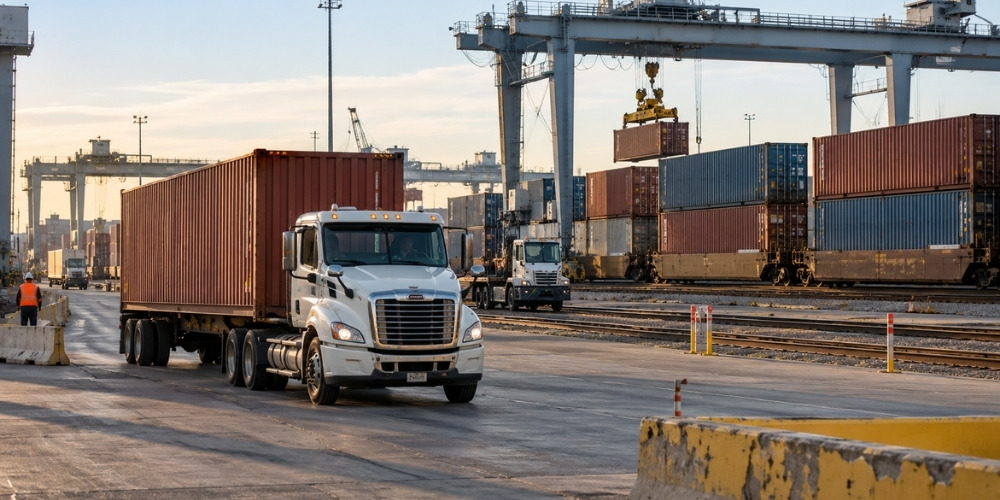
Rail drayage typically refers to short-haul trucking between an intermodal rail ramp and a nearby shipper, receiver, warehouse, or transload facility. The distance may be limited, but the timing can be unforgiving. A container can miss its delivery window because a hold remains open, the chassis plan fails, or the driver reaches the gate after a cutoff.
Reliable rail drayage execution depends on treating each pickup as a connected sequence of releases, appointments, equipment decisions, and documented handoffs.
Quick Facts
- Confirm physical availability and clearance of every applicable hold before dispatch.
- Align rail free time, ramp access, delivery appointments, and empty-return requirements on one timeline.
- Match the driver, chassis, container size, cargo weight, and access requirements before gate arrival.
- Record container, seal, chassis, condition, gate, and delivery details at every handoff.
- Assign one party to monitor changes, communicate exceptions, and rebook missed windows.
What Rail Drayage Requires at a New York Ramp
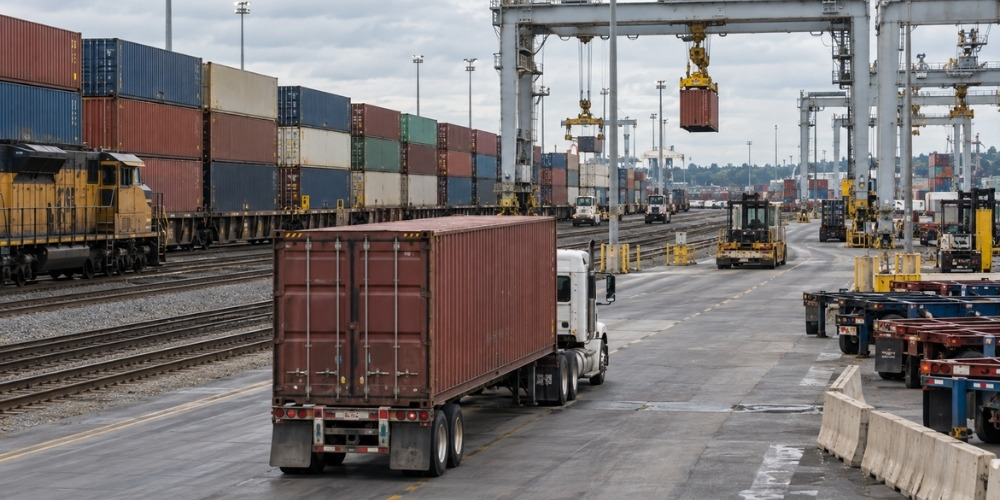
For shipments serving New York, the rail ramp may sit in New York State or across the Hudson in the wider New York-New Jersey freight network. Rail drayage covers the local execution after the train arrives or before it departs. Effective intermodal drayage services connect the railroad’s status, the ramp’s gate process, the receiver’s schedule, and the equipment provider’s rules.
The container’s rail arrival is only one milestone. Before dispatch, confirm that the container is available for pickup, the railroad has released it, applicable customs and commercial holds have cleared, and the ramp’s gate can process the outgate.
How to Coordinate a Rail Ramp Pickup
1. Confirm the release and availability
Start with the correct rail carrier, ramp, container number, waybill or reference number, and consignee information. Check the ramp’s system for actual availability, holds, charges, and pickup instructions. For imported cargo, U.S. Customs and Border Protection uses the Automated Commercial Environment (ACE) for cargo-release processing. Separately, confirm any railroad, terminal, or commercial holds with the relevant party before pickup.
2. Map every clock before dispatch
Record the last free day, terminal hours, reservation window, gate cutoff, receiver appointment, estimated drive time, and empty-return deadline. Add realistic buffers for New York-area traffic and gate queues. The Surface Transportation Board defines demurrage as a charge involving rail cars detained beyond specified free time. For intermodal container storage, chassis use, and other equipment-related charges, verify the applicable railroad tariff and equipment-provider terms for the specific shipment instead of treating every deadline as rail demurrage.
3. Secure the correct driver and equipment
Confirm terminal access credentials, tractor capacity, chassis size, chassis source, and roadworthiness. Match the equipment plan to the container size, gross weight, cargo needs, and legal route. If the load requires a special chassis or permit, resolve it before the truck enters the queue.
4. Pair pickup with the delivery appointment
Do not schedule the rail move in isolation. The pickup must support the receiver’s operating hours, labor plan, and unloading method. When rail free time may expire before the receiver can accept delivery, determine whether an authorized pre-pull and secure staging option is available. Compare that option with the cost and operational risk of leaving the container at the ramp.
5. Control each handoff
At outgate, verify the container, seal, and chassis numbers. Note visible damage and retain the equipment interchange or gate receipt. At delivery, log arrival and departure times, confirm the seal before opening, and obtain signed proof of delivery. Then follow the current empty-return instructions from the railroad or equipment provider and document the ingate.
READ MORE: Key Differences Between Port Drayage vs. Intermodal Drayage
Where Rail-Ramp Plans Commonly Break Down

Missed pickups often begin with a small status mismatch: a hold reappears, the container is not yet available, a reservation changes, the chassis plan fails, or the receiver moves its appointment. The intermodal drayage company should monitor these dependencies through completion and escalate changes early enough to preserve available options.
What to Ask an Intermodal Drayage Company
Ask who verifies releases, how often the team checks ramp status, who books appointments, and how dispatch handles unavailable chassis or closed gates. Confirm the documentation you will receive, including gate receipts, condition photos when available, signed delivery records, and empty-return confirmation. For intermodal container drayage, clarify who owns each step from release verification through empty return.
Frequently Asked Questions
What factors affect the cost of rail drayage in New York?
Costs can vary based on the rail ramp, distance, container size and weight, chassis needs, appointments, waiting time, and special handling requirements.
What is a chassis split in rail drayage?
A chassis split occurs when a driver must obtain or return a chassis at a location separate from the container pickup or return point, creating an additional movement in the drayage process.
Do all rail ramps require pickup appointments or reservations?
No. Requirements vary by railroad and facility, so the drayage team should confirm current gate and reservation procedures before dispatch.
How long does rail drayage take in New York?
Timing depends on container availability, gate conditions, chassis availability, traffic, distance, and the receiver’s appointment window.
What is the difference between rail drayage and port drayage?
Rail drayage involves an intermodal rail ramp, while port drayage involves a marine terminal. Both require coordinated pickups, equipment, and delivery timing.
Coordinate New York Rail Drayage with Drayage Company By Best
Reliable rail drayage depends on synchronized information and fast exception handling. Contact Drayage Company By Best to discuss the rail ramp, container status, delivery window, equipment needs, and handoff requirements for your New York shipment.