
Port drayage is the specialized, short-haul trucking of containers specifically between a maritime port and nearby facilities. Intermodal drayage is a broader term for local container transport that connects different freight modes, most commonly between rail ramps and distribution centers.
Both are critical first-mile and last-mile links, typically moving freight under 100 miles. The difference lies in terminal complexity, stakeholders, and risk factors.
Navigation
Must-Know Points
✔ Port drayage moves containers to and from ports.
✔ Intermodal drayage moves containers to and from rail ramps.
✔ Both are short first-mile/last-mile moves, but the terminal sets the rules.
✔ Port drayage is often less predictable due to congestion and appointments.
✔ Choose based on terminal, timing, and equipment, not just price.
What Is Drayage in Freight Logistics?
Drayage refers to short-distance container trucking that connects major transportation modes. It is the link between ocean, rail, and warehouse facilities.
In practice, drayage involves:
- Picking up or dropping off containers at a port terminal or rail ramp
- Managing gate appointments and terminal access
- Coordinating chassis and container interchange
- Delivering to or retrieving from nearby warehouses or transload facilities
Drayage is not long-haul trucking. It is precision logistics within a local radius, designed to move containers efficiently between nodes in a larger transportation network.
What Is Port Drayage?
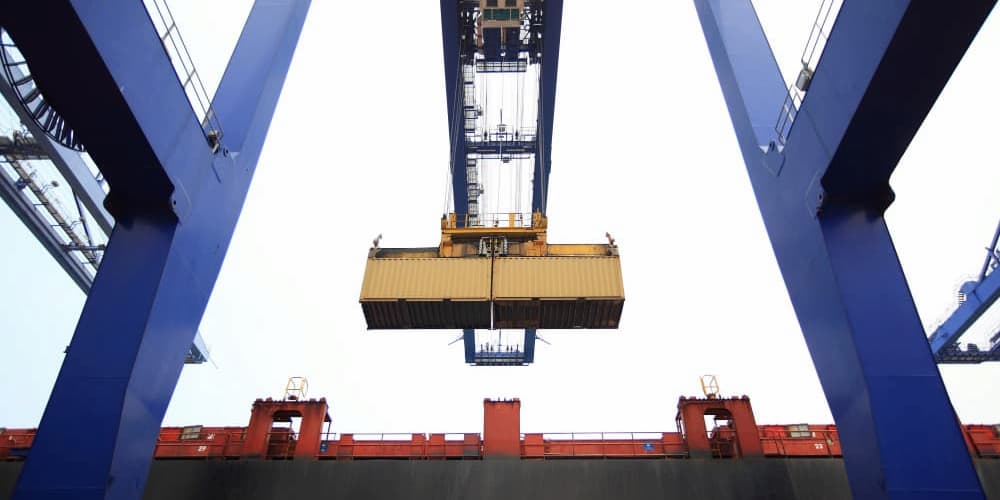
Port drayage specifically involves container moves that begin or end at a marine terminal.
Port drayage is the short-haul trucking of ocean containers between a maritime port and nearby facilities such as:
- Warehouses
- Distribution centers
- Transload facilities
- Rail ramps
It applies to both imports and exports.
Typical Import Scenario
- Vessel arrives at port
- Container is discharged and becomes available
- Drayage carrier retrieves container from the marine terminal
- Container is delivered to a warehouse or distribution center
Typical Export Scenario
- Shipper loads container at origin
- Dray carrier transports container to marine terminal
- Container is ingated before vessel cutoff
Operational Complexity
Port drayage carries higher variability compared to rail ramp moves. Contributing factors include:
- Vessel arrival fluctuations
- Terminal congestion
- Appointment slot availability
- Chassis pool constraints
- Customs and documentation clearance
What Is Intermodal Drayage?
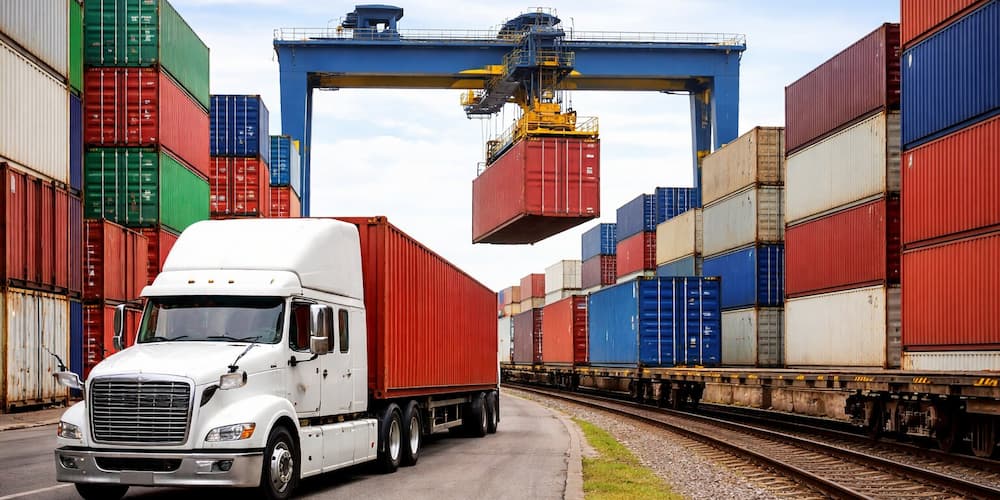
Intermodal drayage refers to the truck leg that connects containers to or from a rail terminal as part of an intermodal freight move.
Intermodal drayage is the local trucking movement that connects:
- Rail ramps to warehouses
- Warehouses to rail ramps
- Ports to rail terminals
Intermodal transportation keeps freight in the same container across multiple modes, typically ship, rail, and truck. It integrates the strengths of trucks and trains and supports broad supply-chain movement by combining flexibility and long-haul efficiency.
Typical Intermodal Flow
- Container loaded at origin
- Drayage carrier delivers container to rail ramp
- Rail moves container long distance
- Destination rail ramp releases container
- Dray carrier completes final delivery
Compared to port drayage, rail ramp environments often have more structured scheduling and less vessel-driven volatility. However, intermodal drayage still involves:
- Rail cutoff deadlines
- Equipment interchange rules
- Ramp storage limits
- Chassis coordination
Intermodal drayage becomes especially attractive for domestic long-haul moves where rail reduces fuel consumption and highway congestion.
How To Choose Between Port Drayage and Intermodal Drayage
Step 1: Identify the Terminal of Origin
Is your container being released from a marine terminal or a rail ramp? This determines whether you are dealing with port drayage or intermodal drayage.
Step 2: Confirm Cargo Profile
- International or domestic
- Time-sensitive or flexible
- Full container or transload requirement
Step 3: Map Time Windows
For port moves, confirm:
- Container availability
- Free time at the terminal
- Vessel cutoff for exports
For rail moves, confirm:
- Rail arrival schedule
- Ramp cutoff
- Storage allowances
Step 4: Validate Equipment Requirements
Determine:
- Chassis source and compatibility
- Container type and weight limits
- Return location requirements
Step 5: Plan for Exceptions
Account for:
- Appointment slot changes
- Warehouse receiving constraints
- Weather or congestion delays
Proactive coordination reduces unnecessary charges and missed deadlines.
Operational Considerations New York, NY
The Northeast freight corridor presents unique challenges:
- High container throughput at the Port of New York and New Jersey
- Dense highway networks
- Multiple marine terminals and rail ramps
- Tight warehouse appointment schedules
High cargo volumes increase the importance of appointment management and communication across stakeholders. Businesses moving freight within 100 miles of the port or major rail ramps benefit from coordinated drayage planning that aligns with terminal processes.
Common Mistakes That Lead To Delays and Extra Costs
Even well-run logistics teams run into avoidable delays when one small detail gets missed at the terminal or on the receiving end. The following mistakes are some of the most common causes of missed appointments and surprise accessorials, especially in high-volume corridors where schedules change quickly.
- Dispatching trucks before containers are officially available
- Ignoring terminal free time windows
- Failing to confirm export cutoff deadlines
- Misaligning warehouse receiving hours with appointment slots
- Not verifying container return locations
These errors can trigger demurrage, detention, storage fees, and re-delivery charges.
Frequently Asked Questions (FAQs)
Do I need different insurance or compliance paperwork for port drayage vs. intermodal drayage?
Often, yes. Port-related moves may involve additional gate, safety, and terminal access requirements, while rail ramp moves can have their own interchange and facility rules. The best approach is to confirm required credentials and documentation at the specific terminal or ramp before dispatch.
What is a “street turn,” and when does it make sense?
A street turn is when an import container is repositioned directly for an export load (or vice versa) without returning empty to the depot first. It can reduce empty miles, time, and congestion exposure, but it depends on equipment condition, interchange rules, and whether the parties can coordinate timing and documentation.
How do transloading and drayage work together?
Transloading is a facility operation (shifting freight from a container to a domestic trailer). The drayage type is determined by the terminal node: port drayage if the container originates at a marine terminal; intermodal drayage if it originates at a rail ramp.
What container details most affect drayage planning beyond distance?
Container size/type (20’, 40’, 45’, high-cube), weight, commodity constraints, and whether the load is live unload vs. drop-and-hook can all affect chassis requirements, route feasibility, receiving time, and appointment strategy, even when the mileage is short.
When should you use “pre-pull” and “drop” strategies instead of a same-day live appointment?
Pre-pull and drop strategies can help when terminal appointment slots are tight or warehouse receiving windows are limited. They can reduce the chance of missing a delivery appointment, but they introduce yard/space needs and may increase equipment time.
Optimize Your Drayage Strategy With the Right Local Partner
Drayage Company by Best in New York, NY, supports B2B shippers, freight forwarders, and operations teams with coordinated port and intermodal drayage strategies built around terminal realities.
If you are evaluating lanes, tightening timelines, or reassessing your first-mile and last-mile execution, now is the time to align your drayage plan with your terminal and delivery constraints.