Quick Facts
✔ Container drayage moves containers between ports, terminals, and nearby facilities.
✔ Container drayage supports the first and last mile of the supply chain.
✔ Efficient drayage helps reduce delays and extra costs.
✔ Different drayage services support different shipping needs.
✔ The right provider helps improve supply chain performance.
What's In This Guide
Container drayage plays a foundational role in how goods move through modern supply chains, even though it often operates behind the scenes. It connects large-scale transportation systems with local delivery points, ensuring that cargo continues moving efficiently at every stage. As logistics networks become more complex and time-sensitive, understanding this process becomes increasingly important for businesses managing freight.
Here are the key things to know about container drayage.
Understanding Container Drayage
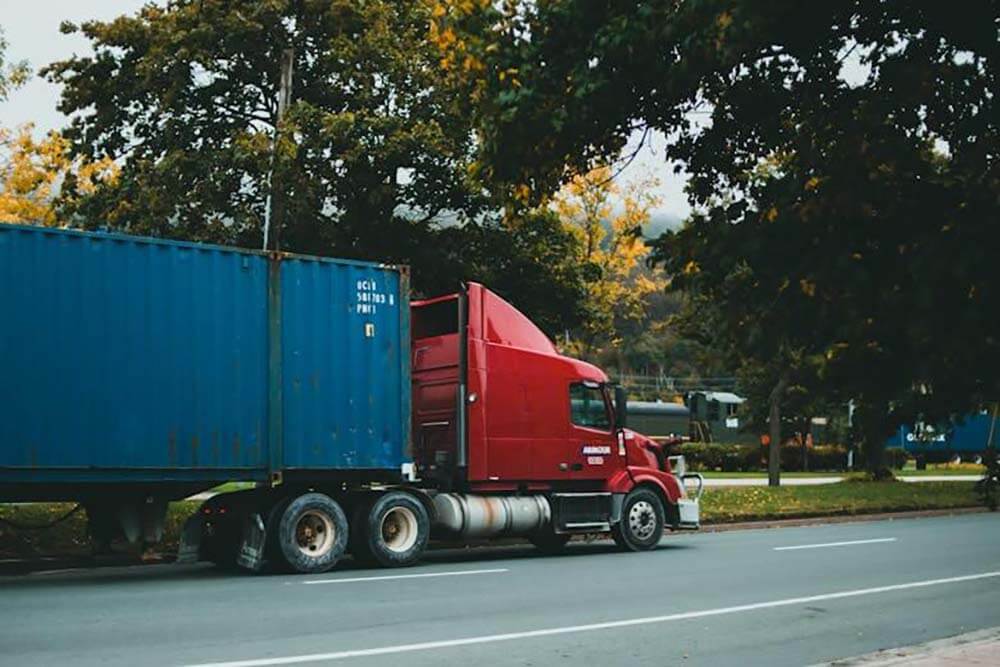
Container drayage is the short-distance movement of shipping containers by truck between ports, rail terminals, warehouses, factories, and other nearby logistics hubs, making it a critical part of door-to-door container transportation.
In simple terms, it is the first and last mile of the supply chain that connects ocean and rail freight to its local destination.
Even though the distance is much shorter than sea or rail transport, container drayage plays an outsized role in logistics because it helps move freight efficiently through congested port areas and can account for roughly 25% to 40% of total container transportation costs.
Why Container Drayage Is Critical in the Supply Chain
Container drayage plays a key role in keeping goods moving smoothly between major transportation modes and local destinations. Without it, cargo would stall at ports or rail yards, disrupting the entire supply chain.
- Connecting Different Modes of Transport Drayage links ships, trains, and trucks, allowing freight to transition efficiently between each stage of transport. This connection ensures that goods continue moving without unnecessary delays.
- Supporting First and Last-Mile Delivery It handles the first and final steps of shipping, moving containers from ports to nearby facilities and vice versa. These short-distance moves are essential for completing the delivery process.
- Reducing Delays and Congestion Timely drayage helps prevent bottlenecks at busy terminals and keeps cargo flowing. Efficient movement reduces the risk of backlogs that can impact broader logistics operations.
- Controlling Costs and Avoiding Fees Quick container pickup and delivery help businesses avoid storage-related charges and penalties. Managing this stage well can significantly lower overall transportation costs.
- Improving Supply Chain Efficiency Reliable drayage operations support better planning and inventory flow. This consistency allows businesses to maintain steady operations and meet delivery expectations.
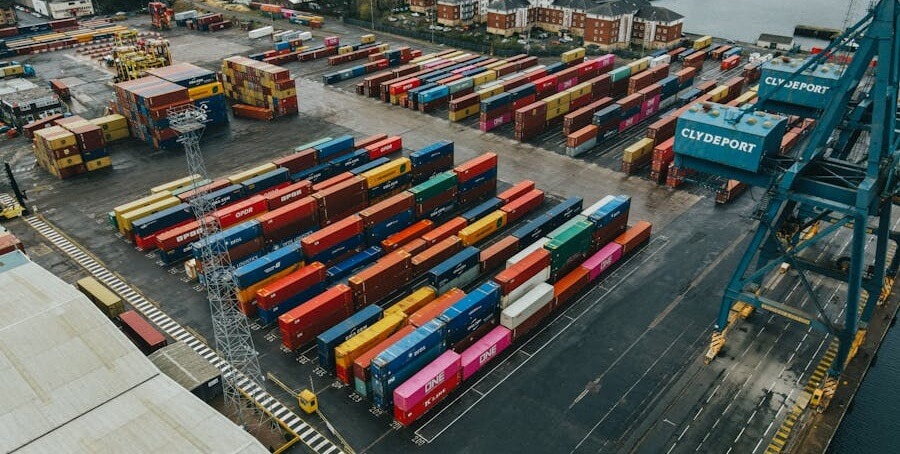
Container drayage includes several service types designed to handle different logistics needs within short-distance freight movement. Each type supports a specific function in keeping container drayage efficient and adaptable across supply chains.
- Port Drayage Port drayage involves moving containers from a seaport to a nearby warehouse or distribution center. It is one of the most common drayage services and is essential for clearing cargo quickly from busy terminals.
- Inter-carrier Drayage Inter-carrier drayage refers to transporting containers between different transportation providers, such as from a rail yard to a trucking facility. This type ensures smooth transitions across multiple carriers within intermodal logistics.
- Intra-carrier Drayage Intra-carrier drayage involves moving containers within the same carrier’s network, such as between terminals or yards. It helps optimize internal operations and reposition equipment where it is needed.
- Expedited Drayage Expedited drayage is used for time-sensitive shipments that require faster handling and delivery. Businesses rely on this service when speed is critical to avoid delays or meet urgent demand.
- Shuttle Drayage Shuttle drayage moves containers from congested terminals to off-site storage locations. This helps reduce port congestion and keeps container flow moving efficiently.
- Door-to-Door Drayage Door-to-door drayage provides direct delivery from the terminal to the final destination. It simplifies logistics for businesses by using a single drayage truck to complete the entire short-distance move.
How to Move a Shipping Container
The container drayage process includes a series of coordinated steps that move a shipping container from a port or terminal to its next destination. Each stage is designed to keep freight moving efficiently, safely, and on schedule.
STEP 1: Booking and Reservations
The process starts with scheduling drayage services and coordinating pickup details with the terminal and carrier. Early planning helps secure appointments, confirm equipment needs, and reduce delays.
STEP 2: Container Pickup
Once the container is available, a drayage truck is dispatched to retrieve it from the port or rail terminal. This step includes confirming the pickup location, the right chassis, and any delivery requirements such as appointment times or special handling instructions.
STEP 3: Transit and Delivery
After pickup, the container is transported to the next stop, such as a warehouse, distribution center, or customer facility. Careful route planning helps support timely delivery and keeps container drayage operations running smoothly.
STEP 4: Container Return
After the cargo is unloaded, the empty container is returned to the assigned depot, yard, or terminal. Timely return is important because it keeps equipment circulating and helps avoid extra charges.
STEP 5: Coordination and Oversight
Successful drayage services depend on clear communication, accurate paperwork, and close coordination across every step. When managed well, the process helps businesses move freight with fewer disruptions and better overall efficiency.
Choosing the Right Container Drayage Provider
Selecting the right container drayage provider is essential for maintaining a reliable and efficient supply chain. The right partner helps ensure containers move on time and without unnecessary complications.
Local Expertise and Knowledge
Businesses should prioritize providers with strong experience in local markets, especially in complex port regions like New York, NY. Familiarity with terminal operations and regulations helps prevent delays and streamline drayage services.
Reliability and On-Time Performance
Consistent pickup and delivery times are critical in container drayage operations. A dependable provider minimizes disruptions and keeps shipments moving according to schedule.
Equipment and Fleet Availability
Access to a well-maintained fleet and proper equipment ensures containers can be transported without issues. Availability of chassis and trucks plays a key role in avoiding operational delays.
Communication and Visibility
Clear communication and real-time tracking help businesses stay informed throughout the process. This transparency improves coordination and allows for better planning.
Proven Industry Experience
Experience handling local logistics challenges often determines overall efficiency. Providers with a strong track record are better equipped to manage unexpected issues and maintain smooth operations.
Frequently Asked Questions
What industries rely on container drayage?
Container drayage supports a wide range of businesses that move goods through ports, rail terminals, and distribution networks. It is commonly used wherever containerized freight needs to be transferred locally. Because it fits into many types of supply chains, its use is broad and consistent.
What equipment is used in drayage operations?
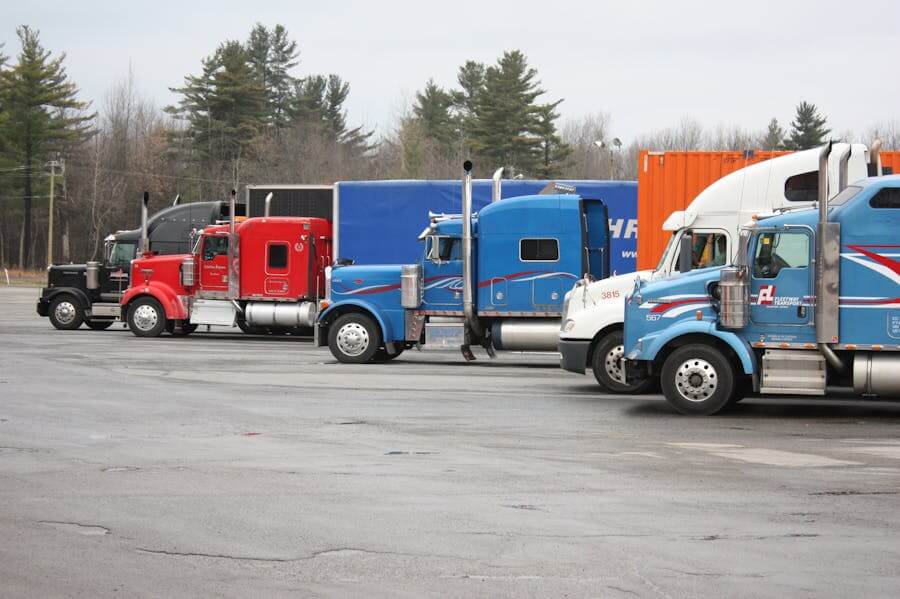
Drayage operations use trucks and supporting equipment designed to move shipping containers safely and efficiently. The exact setup can vary depending on the type of container and the needs of the shipment. In most cases, the equipment is selected to match basic transportation requirements.
How do delays happen in container drayage?
Delays in container drayage can happen for many routine operational reasons. Scheduling issues, terminal activity, traffic, and equipment availability can all affect timing. Because drayage connects multiple parts of the supply chain, even small disruptions can slow the overall process.
Can container drayage handle specialized cargo?
Container drayage can support different types of cargo depending on the shipment’s needs and handling requirements. Some loads may require added planning, specific equipment, or extra coordination. The ability to handle specialized cargo often depends on the provider’s capabilities.
What is drayage?
Drayage is the short-distance transportation of goods, typically moving freight between nearby locations such as ports, rail terminals, and warehouses. It is a key part of the supply chain that helps connect larger transportation modes like ships and trains to local destinations. A common example is container drayage, where shipping containers are transported by truck from a port to a nearby facility.
Streamline Your Shipping with Reliable Container Drayage
Container drayage is a critical link that keeps supply chains moving from global transport to local delivery. Without it, even the most efficient shipping operations would face delays and rising costs.
For businesses in New York, NY, and beyond, working with an experienced provider ensures that containers move quickly, reliably, and without unnecessary complications. Companies like Drayage Company By Best bring the local expertise and operational knowledge needed to navigate complex port environments and keep your logistics running smoothly.
If your business depends on timely deliveries and efficient supply chains, now is the time to prioritize a dependable container drayage partner.