Quick Facts
- Drayage is the first and last-mile connection between terminals and inland facilities.
- Delays in drayage can trigger congestion, added fees, and late deliveries.
- Efficient drayage reduces demurrage and detention costs that impact landed price.
- Reliable drayage keeps intermodal freight moving into warehouses and distribution centers.
- Many drayage moves include tracking and updates that improve planning and coordination.
What’s In This Guide
Global trade is moving faster than ever, yet one overlooked delay at a port terminal can stall an entire supply chain. That’s because the shipping journey doesn’t end when a container is unloaded. It still has to move out of the terminal and into the next stage of distribution.
Drayage is critical to import and export shipping because it serves as the first and last-mile link between ports, rail terminals, and warehouses. It ensures containers move quickly out of congested terminals, reduces expensive demurrage and detention fees, supports seamless intermodal transportation, and keeps supply chains functioning without interruption. Without efficient drayage, goods get stuck, costs increase, and delivery timelines suffer.
Here are the key reasons drayage is essential for keeping import and export freight on schedule and costs under control.
What Is Drayage in Shipping?
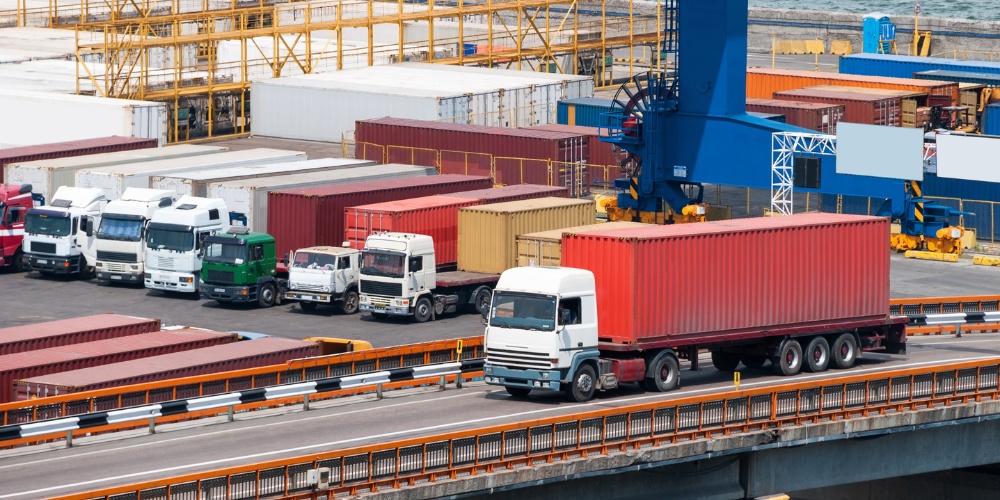
Drayage is the short-distance trucking of shipping containers between ports, rail terminals, warehouses, and distribution centers. It connects ocean and rail freight to the next step in the supply chain, making intermodal transportation possible.
For imports, drayage moves a container from the port to a warehouse or rail yard after release. For exports, it hauls the loaded container from a facility to the port for loading.
Most drayage runs are under 100 miles and may include port drayage, inter-carrier moves, door-to-door drayage, expedited service, and refrigerated drayage for temperature-sensitive cargo.
6 Reasons Drayage is Essential for Shipping Success
Drayage is critical because it keeps containers moving between ports, rail terminals, and warehouses. When that link slows down, freight backs up, fees rise, and delivery timelines slip. It also helps reduce congestion, improve routing, and provide better shipment visibility through GPS tracking and digital updates. Here are six key reasons drayage is essential in import and export shipping:
1. Connects Transportation Modes
Drayage makes intermodal shipping possible by physically moving containers between ports, rail terminals, and inland facilities so freight can continue to the next leg without delays.
- Enables intermodal handoffs: Transfers containers from ships to rail yards or warehouses so ocean freight can flow into inland transportation networks.
- Prevents stalled freight: Without drayage, containers sit at terminals waiting for the next mode, which disrupts pickup schedules and delivery timelines.
- Keeps routing efficient: Supports using rail for long distances and trucks for short moves, helping businesses balance cost, speed, and coverage.
2. Prevents Port Congestion
Ports have limited space and strict pickup systems, so containers need to exit quickly to keep terminals operating smoothly.
- Clears terminal space faster: Timely pickup removes containers from crowded yards, allowing ports to handle new arrivals without stacking delays.
- Reduces operational bottlenecks: When containers linger, gate queues grow and yard equipment gets overworked, slowing unload and retrieval operations.
- Supports appointment compliance: Drayage carriers help meet pickup windows and cut down on missed appointments that can push shipments back by days.
3. Reduces Demurrage and Detention Fees
Efficient drayage directly lowers accessorial costs that businesses pay when containers aren’t moved or returned within allowed time.
- Limits demurrage exposure: Pulling containers promptly helps avoid daily port storage fees that start once free time ends.
- Avoids detention charges: Returning empty containers on time prevents per-day penalties that can accumulate quickly, especially during peak periods.
- Improves cost predictability: Reliable drayage planning reduces surprise fees, making landed cost calculations and budgeting more accurate.
4. Maintains Supply Chain Continuity
Drayage keeps freight moving from arrival points to inventory locations, preventing short delays from turning into production or fulfillment problems.
- Protects inventory availability: Moving containers quickly into warehouses and DCs helps prevent stockouts and backorders that impact sales and service levels.
- Supports time-sensitive operations: Manufacturers relying on inbound parts and retailers planning replenishment depend on drayage to keep schedules intact.
- Reduces downstream disruption: When freight gets stuck at the terminal, labor planning, storage space, and delivery appointments often fall apart.
5. Provides Flexibility During Demand Surges
Drayage helps businesses respond when volumes spike or conditions change, which is common in import and export shipping.
- Adjusts to seasonal volume swings: Drayage capacity can be increased during peak import seasons when ports and rail ramps are under pressure.
- Adapts to disruptions: When congestion, weather, or terminal slowdowns occur, drayage routing and scheduling can shift to keep freight moving.
- Supports urgent container moves: Expedited drayage helps meet tight delivery deadlines when shipments need to clear terminals quickly.
6. Supports Specialized Cargo Handling
Many shipments require equipment and handling capabilities beyond standard trucking, and drayage providers often cover these needs.
- Handles temperature-sensitive freight: Reefer drayage supports cold-chain requirements so food and pharmaceuticals maintain required conditions.
- Supports heavy or unique containers: Specialized chassis and equipment can be necessary for overweight, oversized, or non-standard container moves.
- Improves compliance and cargo care: Experienced handling helps reduce damage risk and ensures regulated freight is moved according to requirements.
How the Drayage Process Works: Step by Step
Understanding the drayage process helps businesses plan timelines, assign responsibilities, and avoid preventable fees.
Step 1: Container Arrival and Release
The container arrives at a port or rail terminal and becomes available for pickup once required holds are cleared. Customs status, terminal release, and documentation must be confirmed before dispatch.
Step 2: Appointment Scheduling and Dispatch
A pickup appointment is set with the terminal, and the move is scheduled based on operating hours and cutoffs. The carrier confirms equipment needs, including chassis availability, and aligns driver timing to the appointment window.
Step 3: Terminal Pickup
The driver checks in, verifies release details, and retrieves the container. A basic condition check is completed, then the container is secured to the chassis for transport.
Step 4: Transport to the Delivery Location
The container is hauled to the intended destination, such as a warehouse, distribution center, or rail yard. Timing matters here because delivery receiving hours and facility scheduling can affect turn time.
Step 5: Unloading and Empty Return
After unloading, the empty container is returned to the designated location within the required timeframe. This step is key for avoiding detention charges and keeping equipment available for the next move.
➤ READ NEXT: 7 Benefits of Reliable Drayage Services for Importers and Exporters
Frequently Asked Questions
How is drayage different from freight forwarding?
Drayage focuses specifically on the short-distance movement of containers between ports, rail yards, and nearby facilities. Freight forwarding involves coordinating the entire shipment process, including documentation, carrier booking, and international logistics planning. Drayage is one operational segment within the broader freight forwarding process.
Who typically needs drayage services?
Importers, exporters, manufacturers, retailers, and distributors commonly require drayage. Any business moving containerized freight through a port or rail terminal will likely need short-distance transport. It is especially common for companies to use intermodal shipping.
When should drayage be scheduled?
Drayage should be scheduled as soon as shipment arrival details are confirmed. Early coordination helps secure terminal appointments and equipment availability. Proactive scheduling reduces the risk of storage fees and missed pickup windows.
What factors affect drayage pricing?
Pricing is influenced by distance, fuel costs, terminal congestion, equipment requirements, and accessorial charges. Appointment delays and wait times can also impact total cost. Rates may vary based on market demand and seasonal volume.
Is drayage only used for international shipments?
No. While commonly associated with imports and exports, drayage is also used in domestic intermodal shipping. Containers moving between rail terminals and distribution centers often require drayage as part of inland freight movement.
Keep Your Cargo Moving with Reliable Drayage Support in New York, NY
Drayage is the operational bridge between global shipping and local distribution. Without it, containers sit idle, costs climb, and delivery schedules break down.
If your business depends on timely container movement through New York terminals, you need a drayage partner that understands port operations, appointment systems, chassis availability, and real-time coordination.
Drayage Company By Best delivers dependable container drayage across New York, NY and nearby port and rail terminals. We handle appointments, verify releases, secure equipment, and provide tracking from pickup through delivery.
The result: fewer delays, less exposure to demurrage and detention, and smoother intermodal transfers into warehouses and distribution centers.
When your freight needs to move, we make it happen.