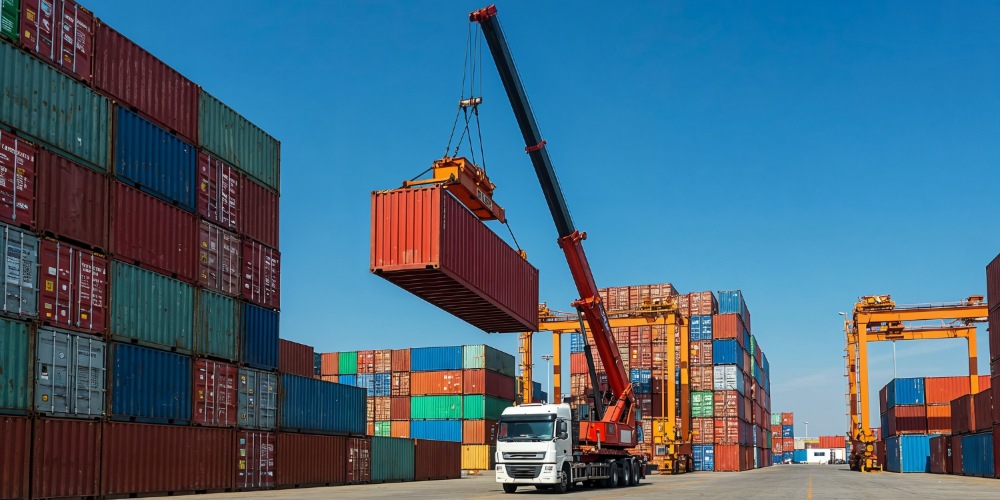
Drayage is specialized, short-distance container transport (often under ~100 miles) that connects intermodal terminals like ports and rail yards to nearby hubs. Trucking (over-the-road or general trucking) covers the broader world of freight movement, including city-to-city and interstate long-haul deliveries.
Drayage keeps intermodal freight moving. Trucking delivers finished goods across the road network.
What’s In This Guide
- What Is Drayage?
- What Is Trucking?
- Drayage vs. Trucking: Key Differences
- How Drayage and Trucking Work Together in One Shipment
- Common Misconceptions About Drayage and Trucking
- How To Decide Whether You Need Drayage or Trucking
- Frequently Asked Questions (FAQs)
- Optimize Your Intermodal Strategy With the Right Drayage Partner
Quick Facts
- Drayage is short-haul container transport from ports or terminals to nearby hubs.
- Trucking moves freight over the road, from local deliveries to interstate hauls.
- Drayage requires chassis use, terminal procedures, and empty container returns.
- The differences come down to equipment needs, timing constraints, and fees.
- Treating drayage as a separate leg improves accuracy and schedule reliability.
What Is Drayage?
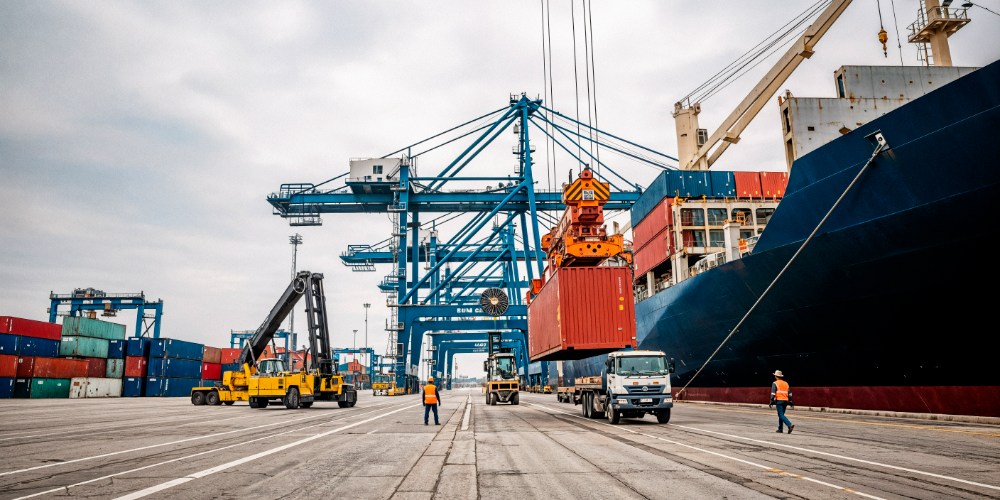
Drayage is the short-distance movement of full shipping containers by truck, usually as part of a longer intermodal shipment. It typically connects:
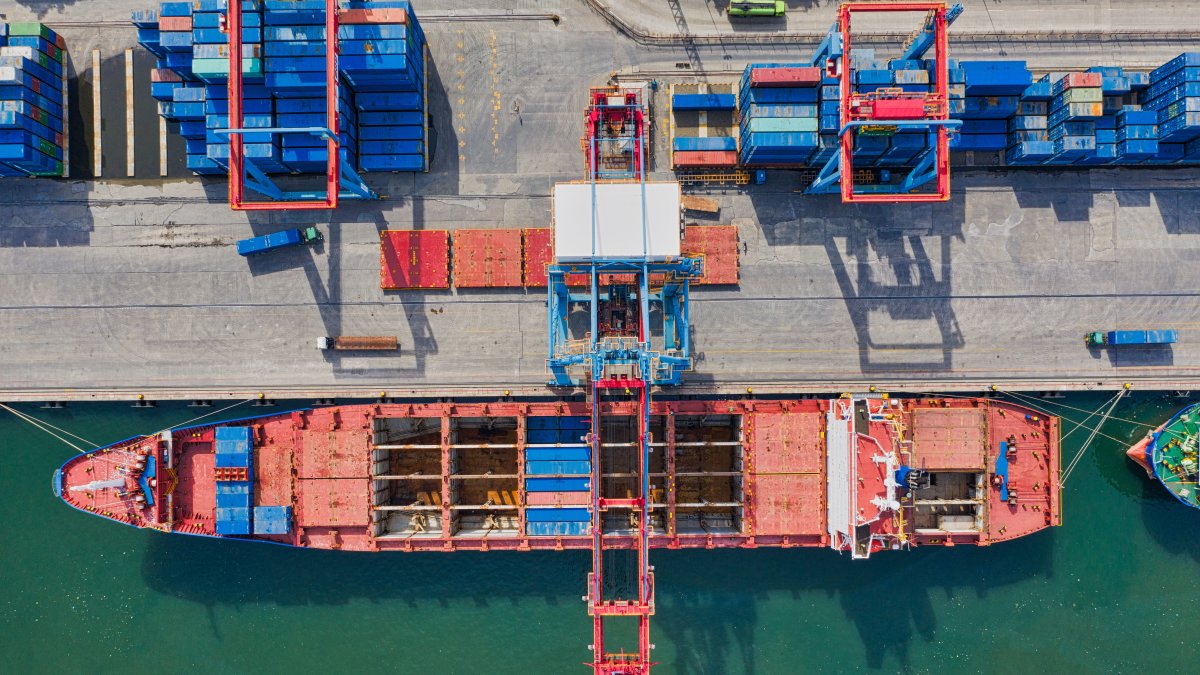
- A marine terminal (port) to a rail yard, warehouse, or container yard
- A rail ramp to a distribution point
- One terminal facility to another during operational repositioning
Drayage happens the most in:
- Seaports and marine terminals
- Intermodal rail terminals
- Container yards/chassis lots
- Transload facilities (container to domestic trailer transfers)
What Is Trucking?
Trucking is the broader category of moving freight by road, ranging from local deliveries to long-haul interstate transport. It includes multiple service types (FTL, LTL, regional, OTR) and a wide mix of freight configurations (palletized goods, dry van, reefer, flatbed, specialized).
Trucking is also the dominant mode for domestic freight movement by weight. In fact, trucks moved roughly 72.7% of the nation’s freight by weight in 2024.
Trucking typically starts and ends with:
- Warehouses to warehouses
- Manufacturers to DCs
- DCs to retail or job sites
- Cross-country linehaul between regions
Drayage vs. Trucking: Key Differences
|
Planning Factor |
Drayage |
Trucking |
|
Distance and route profile |
Short-haul, terminal-adjacent routes. Often planned around port traffic patterns, appointment windows, and turn times. |
Can be local, regional, or long-haul. Planned primarily around mileage, transit time, driver hours, and dock scheduling. |
|
Role in the supply chain |
Bridges modes. It is the “connector” between ocean or rail and the next leg. |
Moves freight from origin to destination on the road network, including the “final goods” portion of distribution. |
|
Equipment and handling |
Container-focused. Common requirements include a chassis, port-compliant equipment, and the ability to manage container pick-up and return workflows. |
Trailer variety matters more than container workflows (dry van, reefer, flatbed, etc.). |
|
Operational constraints and fees |
Tighter timing pressure due to terminal “free time” rules and intermodal equipment usage. Fees may include demurrage (container exceeds free time at the terminal) and detention (extended use of intermodal equipment). |
Timing pressure is more tied to shipper/receiver dock schedules and transit plans. Detention can still apply at facilities, but not typically under the same terminal free-time structure as port drayage. |
How Drayage and Trucking Work Together in One Shipment
Many shippers experience drayage and trucking as one continuous move, but operationally, they are often two different legs with different constraints.
A common intermodal flow looks like this:
- Container arrives at a marine terminal (import) or is gated in (export).
- A drayage truck moves the container to a nearby warehouse, transload facility, or rail terminal.
- Freight continues inland via rail or via OTR trucking.
- Domestic freight distribution happens via regional or local trucking.
Common Misconceptions About Drayage and Trucking
Drayage Is Just Local Trucking
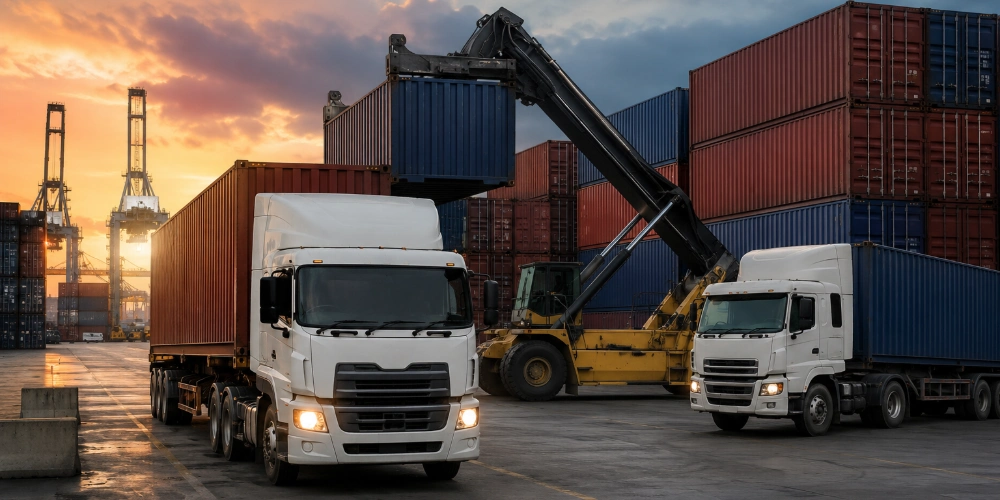
Distance is only part of it. Drayage is local trucking wrapped in terminal operations and container/equipment rules.
Any Trucking Carrier Can Do Port Pickups
Some can, but port and rail work often requires specific processes and familiarity with terminals, equipment cycles, and appointment timing.
Drayage Doesn’t Affect the Rest of the Shipment
In intermodal moves, drayage is the handoff point. If the connector leg is late, rail slots, warehouse labor, and downstream trucking all get disrupted.
How To Decide Whether You Need Drayage or Trucking
Step 1: Start With the Freight’s Handoff Point
- If freight touches a port or an intermodal rail terminal, drayage is likely involved.
- If the origin is a warehouse/manufacturer and the freight never becomes a container terminal transaction, it may be standard trucking only.
Step 2: Identify the Unit You Are Moving
- Full ocean container or rail container: Typically drayage for the terminal-to-hub leg.
- Palletized freight in a domestic trailer: Typically trucking.
Step 3: Check Whether You Must Return Equipment
- Container moves usually require a plan for empty return, chassis, and terminal gate procedures.
- Standard trucking usually involves trailer drop/pick workflows instead of container return cycles.
Step 4: Look for Port Timing Exposure
If the move includes a marine terminal, ask:
- Is there a terminal appointment requirement?
- What is the free time window, and what happens if the container sits?
Step 5: Decide How Many Legs You’re Actually Buying
Many “trucking” requests are really two needs:
- A drayage leg (port/rail to hub)
- An OTR leg (hub to inland destination)
Treating them as separate legs often improves quoting accuracy and reduces surprises.
Frequently Asked Questions (FAQs)
What is the difference between port drayage and rail drayage?
Port drayage moves containers between a marine terminal and a nearby hub (warehouse, CFS, or rail). Rail drayage moves containers between an intermodal rail terminal and a nearby hub.
Does drayage apply to exports as well as imports?
Yes. Import drayage pulls inbound containers from terminals to local facilities. Export drayage delivers loaded containers to terminals for vessel or rail departure.
What is transloading, and how does it relate to drayage?
Transloading is transferring freight from an ocean container to a domestic trailer (or vice versa). Drayage often delivers the container to the transload facility, then standard trucking moves the freight onward.
What is a “chassis” and who typically provides it?
A chassis is the wheeled frame a container sits on for road transport. It may come from a chassis pool, terminal, carrier arrangement, or leasing provider, depending on the lane and terminal rules.
What information do I need to quote a drayage move accurately?
Typically: terminal/rail ramp name, container size/type, pickup number, consignee address, time constraints/appointments, and empty return location (if required). Missing any of these can lead to re-quotes or accessorial charges.
➤ READ: What’s the Difference Between Freight and Drayage?
Optimize Your Intermodal Strategy With the Right Drayage Partner
Working with a provider that understands port workflows, chassis management, and intermodal coordination can reduce delays and improve predictability.
Drayage Company By Best in New York, NY, supports logistics professionals, 3PLs, and shippers with reliable container transport and intermodal coordination tailored to the Northeast market.