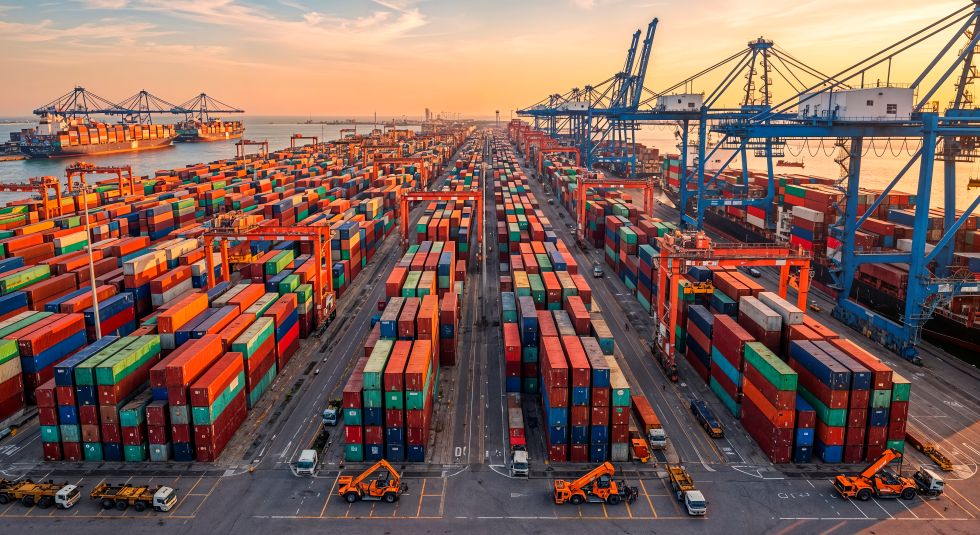
Port drayage is the short-distance trucking of shipping containers between a seaport and nearby inland locations like warehouses, rail yards, or distribution centers.
What’s changing now is the push for cleaner, more efficient port operations, including planning around drayage truck emissions and equipment needs, which increases the value of predictable pickups, clear communication, and intermodal coordination.
What’s In This Guide
Quick Overview
- Port drayage is short-haul container trucking between a seaport and nearby inland facilities.
- Drayage services connect ocean freight to the next leg: warehouse, rail, or distribution.
- The drayage workflow is timing-driven: release, pickup, delivery, unload, and empty return.
- Common drayage services include port, rail, intra-terminal, expedited, and repositioning moves.
- The best port drayage service comes down to local expertise, clear communication, capacity, and intermodal fit.
What Is Port Drayage?
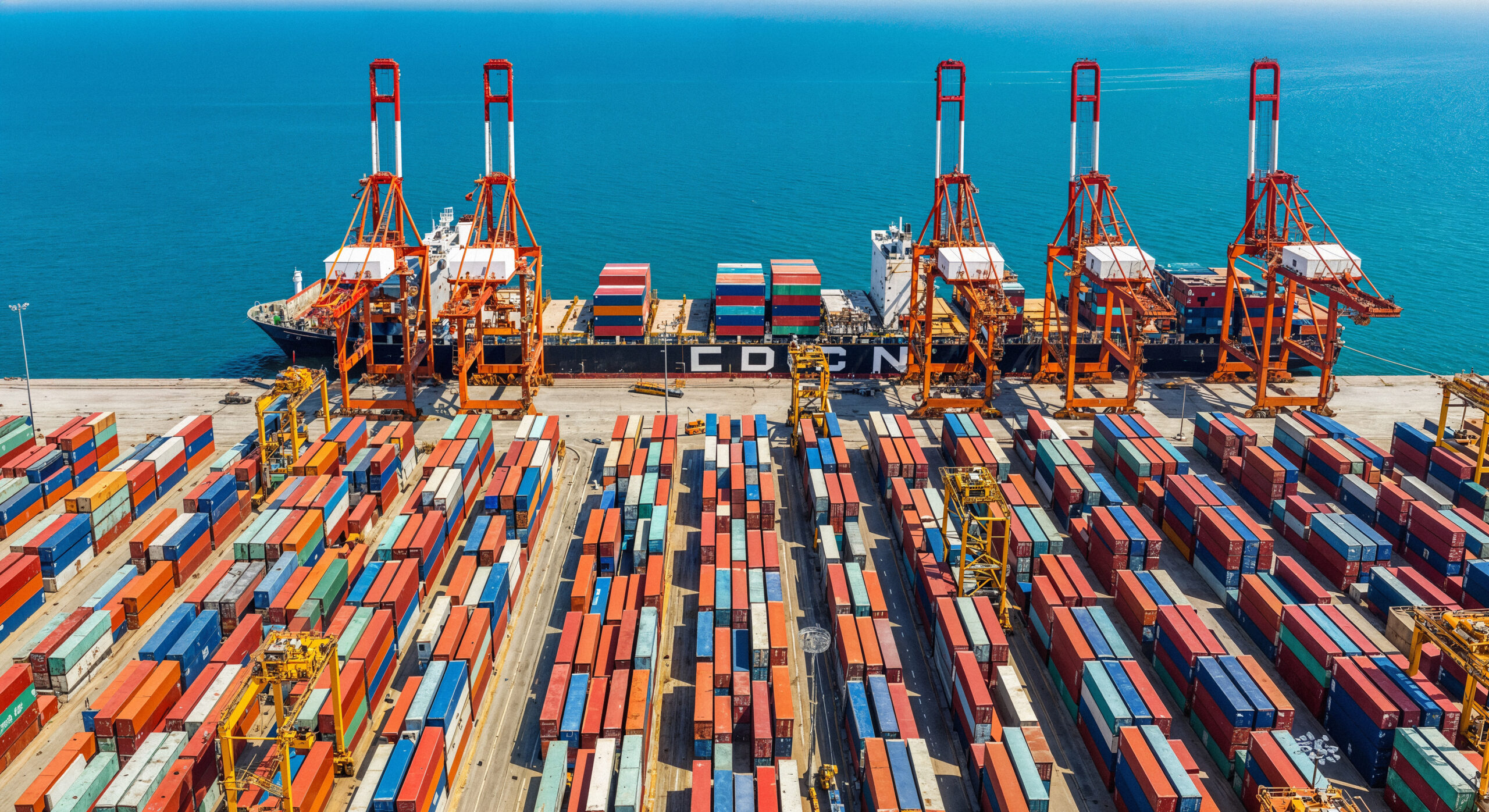
Drayage is the short-haul movement of ocean containers by truck from a marine terminal to a nearby destination, or the reverse. The Federal Highway Administration’s freight glossary defines drayage as transporting rail or ocean freight by truck to an intermediate or final destination, typically involving short distances such as from a marine terminal to a warehouse.
In practice, port drayage usually connects:
- A seaport terminal to a warehouse or distribution center
- A seaport terminal to a rail yard for onward intermodal movement
- A container yard to a consignee facility for unloading
For businesses, port drayage translates to “getting the container off the terminal and into the next step of your network” before congestion, storage limits, or scheduling constraints create bottlenecks.
How Port Drayage Works: Step by Step
Port drayage is a short-haul container move, but it runs on tight timing. These steps show how drayage services take a container from the terminal to its next inland stop.
Step 1: Container Arrives at the Seaport
The vessel is unloaded, and the container is staged in the terminal’s yard. Your team typically tracks the estimated availability window so pickup can be scheduled.
Step 2: Paperwork and Release Are Confirmed
Before dispatch, businesses confirm the container can be picked up. A “not-ready” container can waste a driver’s trip and disrupt appointment timing.
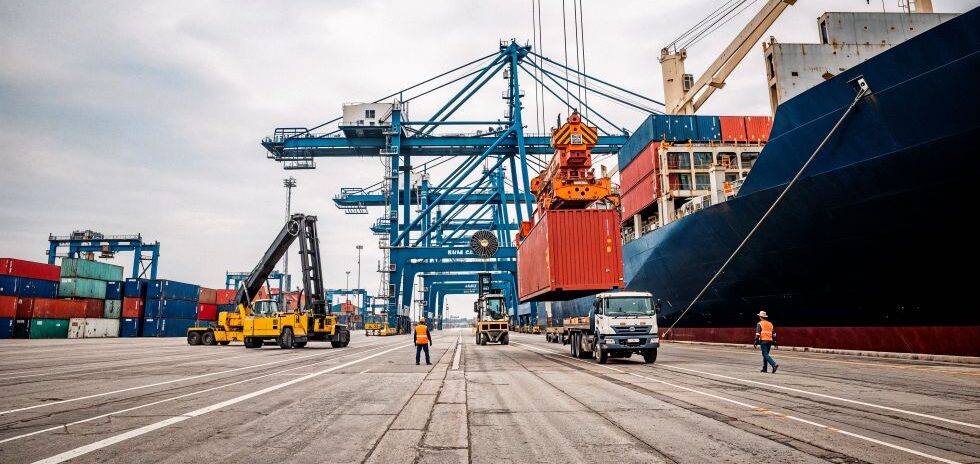
Step 3: A Drayage Truck Picks Up the Container
A drayage driver enters the terminal, receives the container, and mounts it on a chassis for road transport. This is the operational heart of drayage services at the port.
Step 4: Short-Haul Delivery to the Next Stop
The container moves to a nearby destination, such as:
- A NYC-area warehouse in the metro region
- A rail terminal for intermodal transfer
- A distribution center serving borough deliveries or Northeast routes
Step 5: Container Drop-Off or Live Unload
Two common handoffs:
- Live unload: The driver waits while the facility unloads the container.
- Drop: The container is left for later unloading, depending on the facility’s process and space.
Step 6: Empty Container Return (If Required)
Many moves require returning the empty container to a designated yard or terminal. This step can affect schedules, especially when return locations or appointment rules are tight.
Common Types of Drayage Services Businesses Use
Not all drayage services look the same. The right type depends on where the container is coming from, where it needs to go next, and whether the move connects to rail or stays local.
Port Drayage (Seaport to Inland Location)
A container goes from the terminal to a nearby warehouse, distribution center, or staging yard.
Rail Drayage (Rail Ramp to Warehouse)
A container transfers from rail to truck for the local leg, or from a shipper to rail for outbound movement. This is where intermodal transportation companies frequently coordinate with local carriers.
Inter-Carrier or Intra-Terminal Drayage
Containers move between terminals, yards, or facilities to meet vessel cutoffs, equipment constraints, or network needs.
Expedited or Time-Sensitive Drayage
Businesses use this when timing risk is high, like seasonal retail, critical manufacturing parts, or replenishment, to avoid stockouts.
Container Repositioning Drayage
This includes moving empty or loaded containers to align equipment with demand. It is common when import-heavy lanes create imbalances.
What Is the Best Port Drayage Service? Key Qualities to Look For
Here are practical evaluation points that keep the focus on execution, not marketing.
Experience With Local Terminals and Receiving Sites
NYC-region operations involve tight windows and dense traffic patterns. Familiarity with terminal rules and local facility requirements can reduce failed pickups and missed receiving slots.
Reliable Scheduling and Communication
Look for clear dispatch communication, accurate ETAs, and proactive updates when conditions change. This is especially important when intermodal transportation companies are coordinating rail connections that have fixed cutoffs.
Capacity and Equipment Readiness
Containers need chassis and qualified drivers. If capacity is limited, loads can queue. The best operational fit is the one that can match your frequency and timing needs.
Ability to Support Intermodal Moves
If your network uses rail for longer inland distances, you want drayage that can align with rail ramp processes. This is where integration with intermodal transportation companies reduces handoff risk.
Flexibility for Warehouse Receiving Requirements
Some warehouses require appointments, specific drop windows, or live unload procedures. The best port drayage service often comes down to whether the carrier can fit your receiving model without forcing constant reschedules.
Frequently Asked Questions (FAQs)
What's the difference between freight and drayage?
Freight is the cargo being shipped. Drayage is a short-distance trucking move that transports freight, often in a container, between a port or rail terminal and a nearby warehouse, rail yard, or distribution center.
How does drayage impact port operations?
Drayage services help clear containers out of terminal yards so ports can keep space available for incoming vessel loads. When drayage capacity or scheduling falls short, containers linger longer at the terminal, increasing congestion and slowing the port-to-inland flow.
What is an example of a drayage?
A container is unloaded at the Port of New York and New Jersey, and a dray truck hauls it a short distance to a nearby NYC-area warehouse for unloading, then the empty container is returned to a designated yard.
What equipment is used for drayage?
Typically: a truck tractor, a container chassis (the wheeled frame), and the intermodal shipping container itself (plus basic securement).
How many drayage carriers are there in the US?
There isn’t a single definitive public count for “drayage carriers” specifically. As of this writing, a commonly cited directional figure is 6,000+ carriers listed in drayage.com’s Drayage Directory, but that directory is not exhaustive. This figure reflects one paid directory’s listings and should be treated as an estimate, not a verified national total; the actual number of drayage carriers operating in the U.S. may be higher.
Get NYC Port Drayage Support for Your Business
If your business moves containerized freight through New York City and you need help planning port-to-warehouse or port-to-rail handoffs, Drayage Company By Best provides local drayage services built for business shipping workflows.
Contact Drayage Company By Best to learn more.