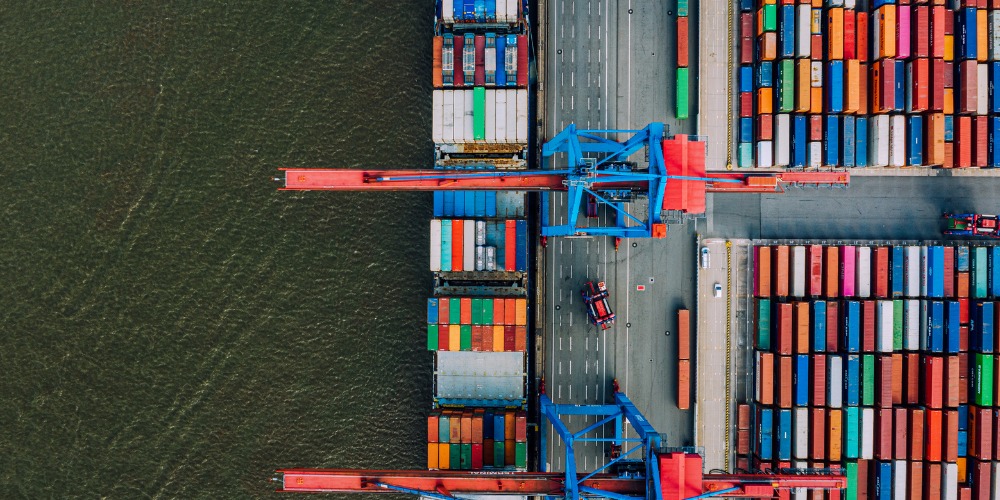
What Information Do You Need for an Accurate Drayage Quote in New York?
Learn the essential details needed to get an accurate drayage quote in New York, including shipment info, terminal specifics, container data, timing, and delivery requirements.
Learn the essential details needed to get an accurate drayage quote in New York, including shipment info, terminal specifics, container data, timing, and delivery requirements.
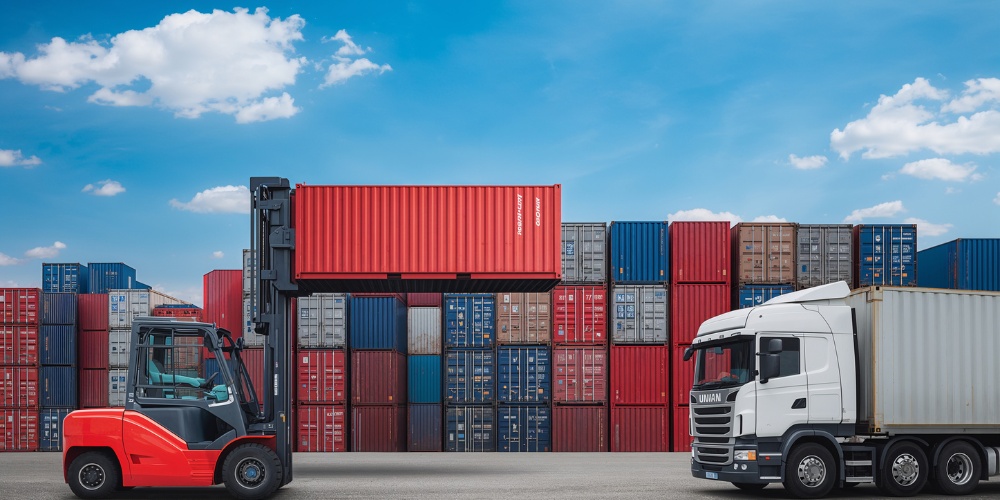
Drayage plays a vital role in import and export shipping by ensuring timely container movement between ports, rail terminals, and warehouses, reducing costs and delays.
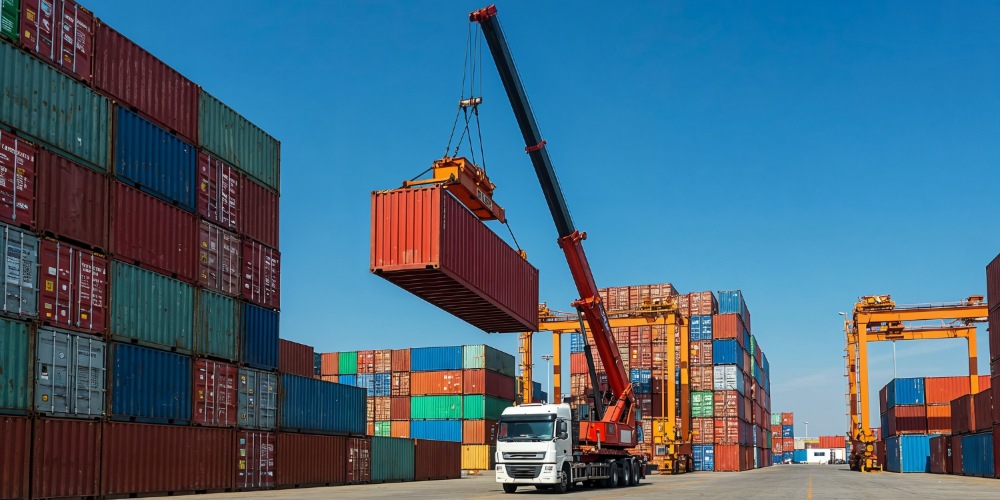
This article explains the key differences between drayage and trucking, focusing on equipment, distance, and their roles in the supply chain.
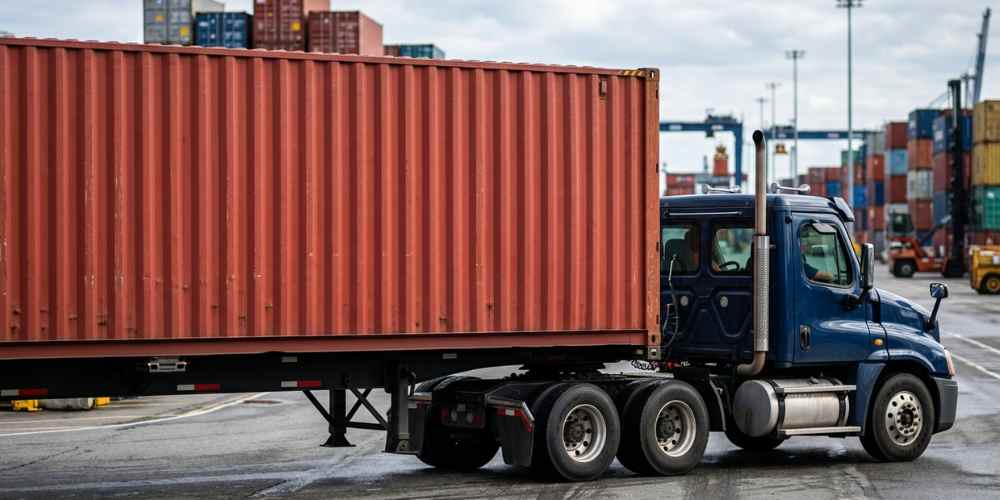
Modern port logistics depends on standardized containers moving quickly between ships, rail terminals, and inland destinations. The most common are 20-foot, 40-foot, and 53-foot containers, which move goods short distances between ports, rail yards, warehouses, and distribution centers.
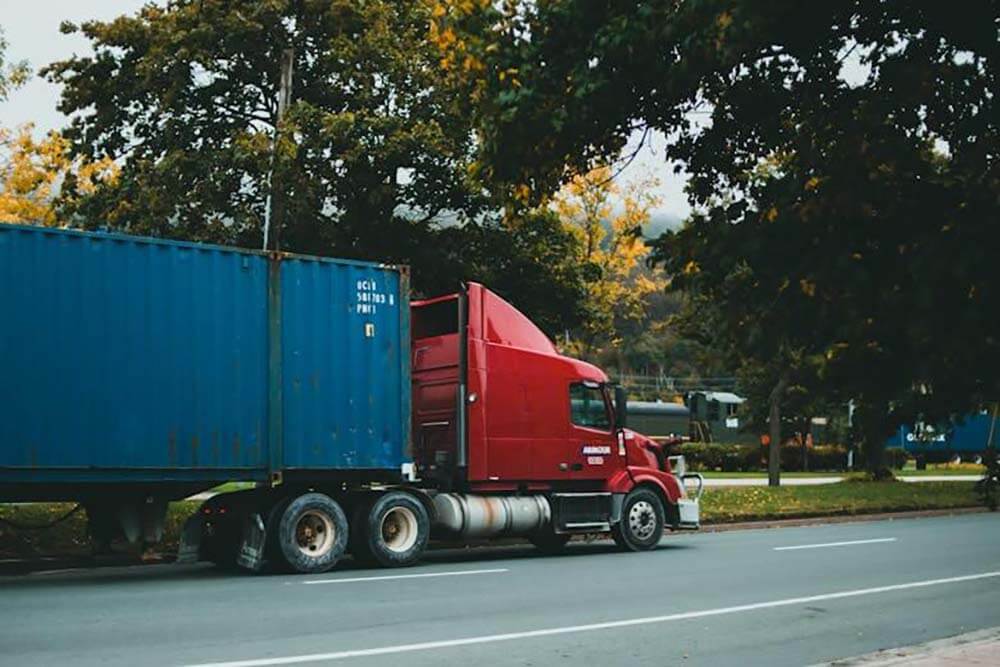
Container drayage plays a foundational role in how goods move through modern supply chains, even though it often operates behind the scenes. It connects large-scale transportation systems with local delivery points, ensuring that cargo continues moving efficiently at every stage. As logistics networks become more complex and time-sensitive.
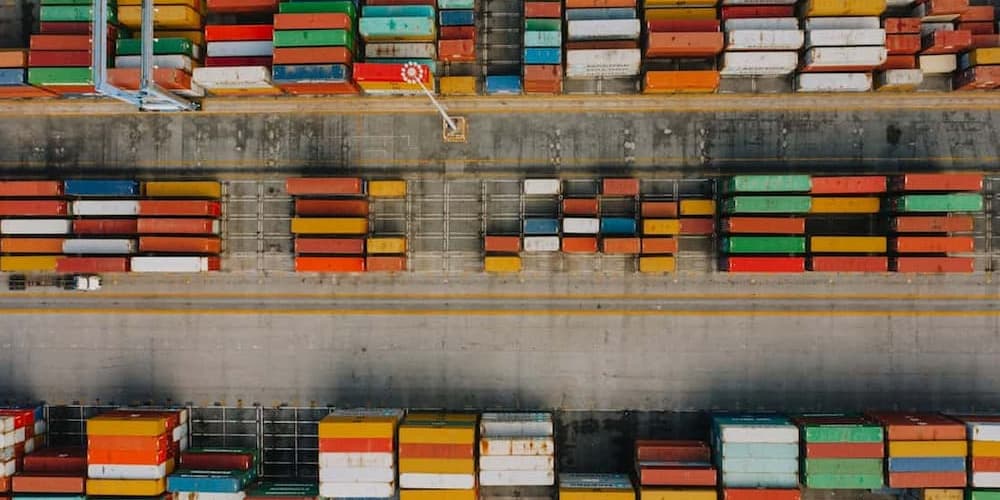
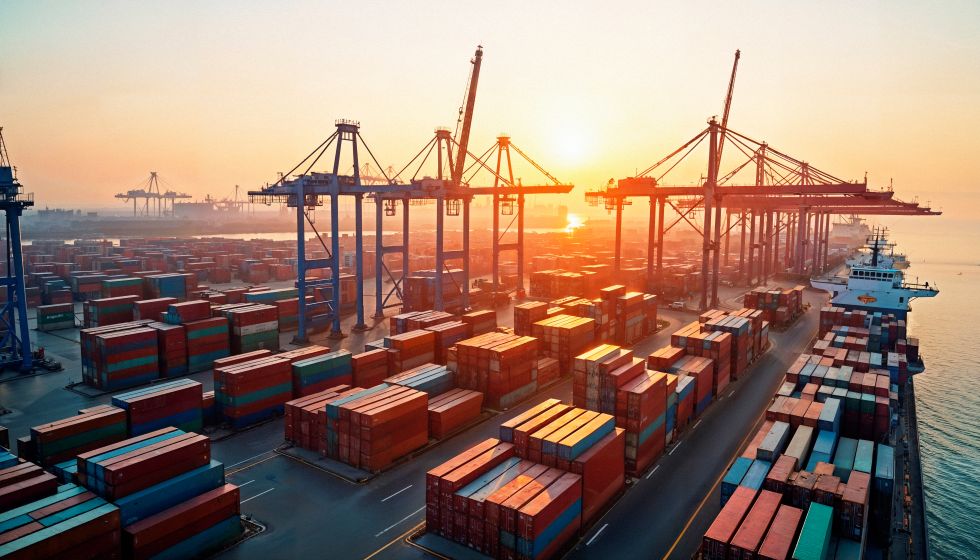
Port drayage is the specialized, short-haul trucking of containers specifically between a maritime port and nearby facilities. Intermodal drayage is a broader term for local container transport that connects different freight modes, most commonly between rail ramps and distribution centers.
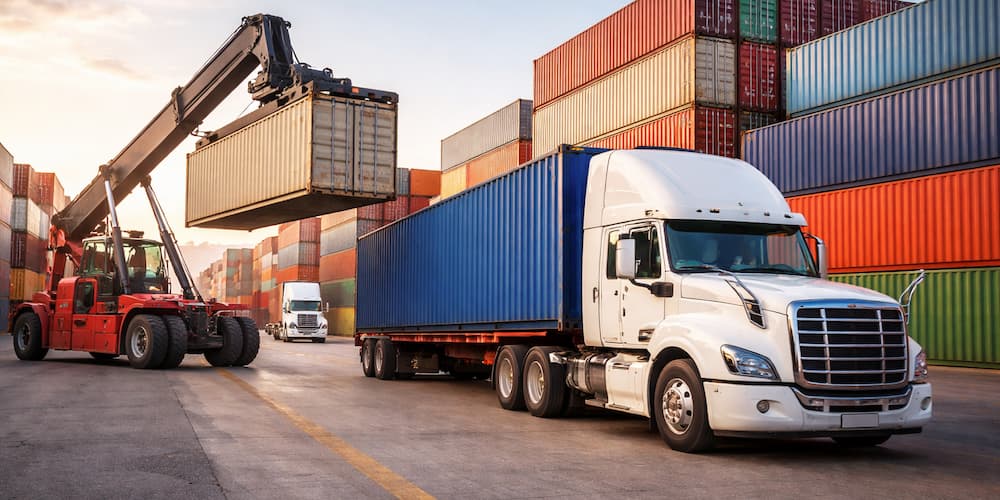
Modern supply chains rely on speed, coordination, and visibility across ocean, rail, warehousing, and final-mile transport. Drayage is the short-distance move that connects ports and intermodal terminals to rail ramps, warehouses, and distribution centers, keeping freight from stalling at key transfer points.
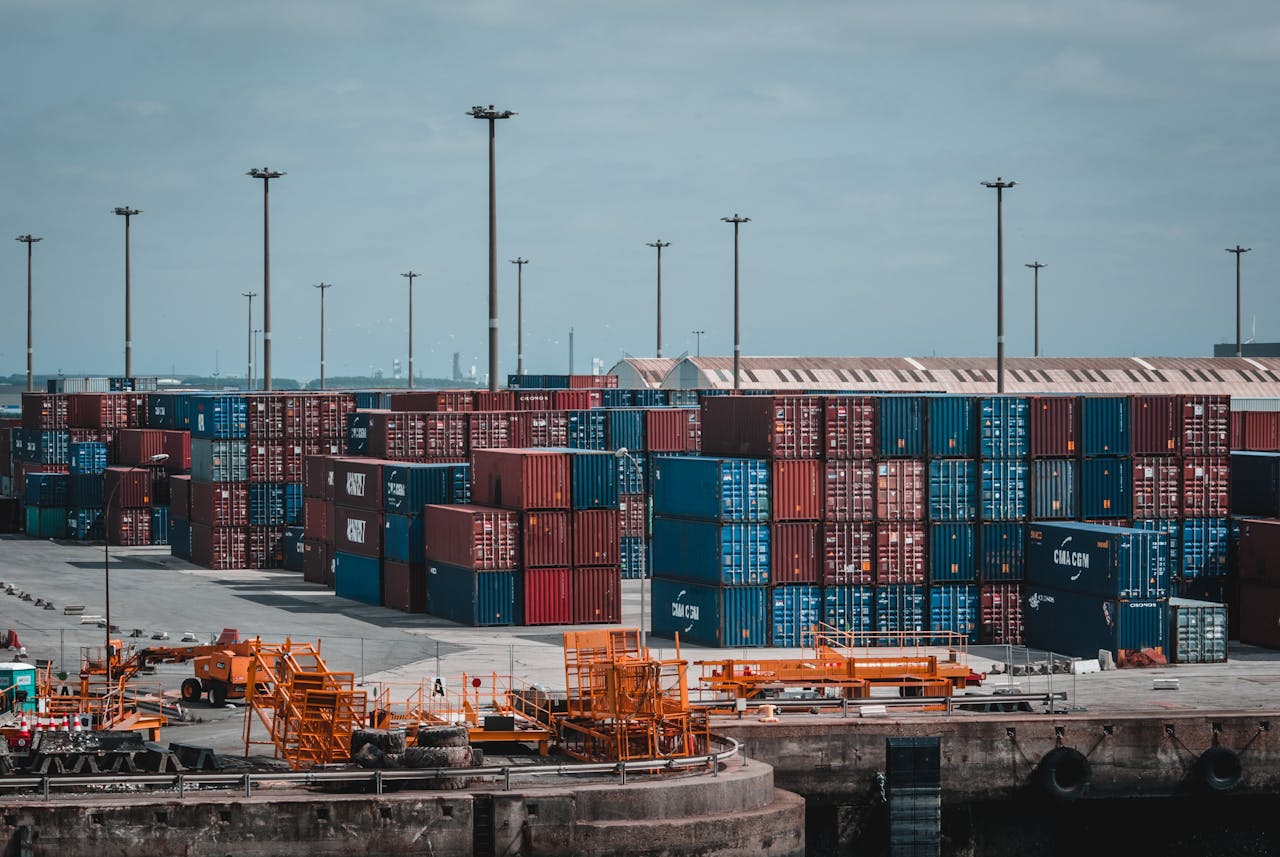
Modern supply chains move fast, but they don’t move randomly. Every container, pallet, and shipment follows a carefully coordinated path. One of the most critical — and often least understood — links in that path is drayage.
If your business imports, exports, or ships by rail in the New York City metro, you’re already using drayage, whether you call it that or not.