In a Nutshell
✔ Drayage connects ports, rail terminals, and warehouses to keep freight moving between modes.
✔ Reliable drayage reduces delays, congestion, and costly terminal fees.
✔ Strong coordination supports timely deliveries and steady inventory flow.
✔ Drayage impacts total logistics costs through wait time, chassis use, and cutoffs.
✔ In New York, NY, experienced drayage planning helps reduce disruption in busy port operations.
Section Breakdown
Modern supply chains rely on speed, coordination, and visibility across ocean, rail, warehousing, and final-mile transport. Drayage is the short-distance move that connects ports and intermodal terminals to rail ramps, warehouses, and distribution centers, keeping freight from stalling at key transfer points.
For businesses moving goods through New York, NY, understanding drayage is essential for controlling costs, reducing delays, and protecting service levels.
What Is Drayage?
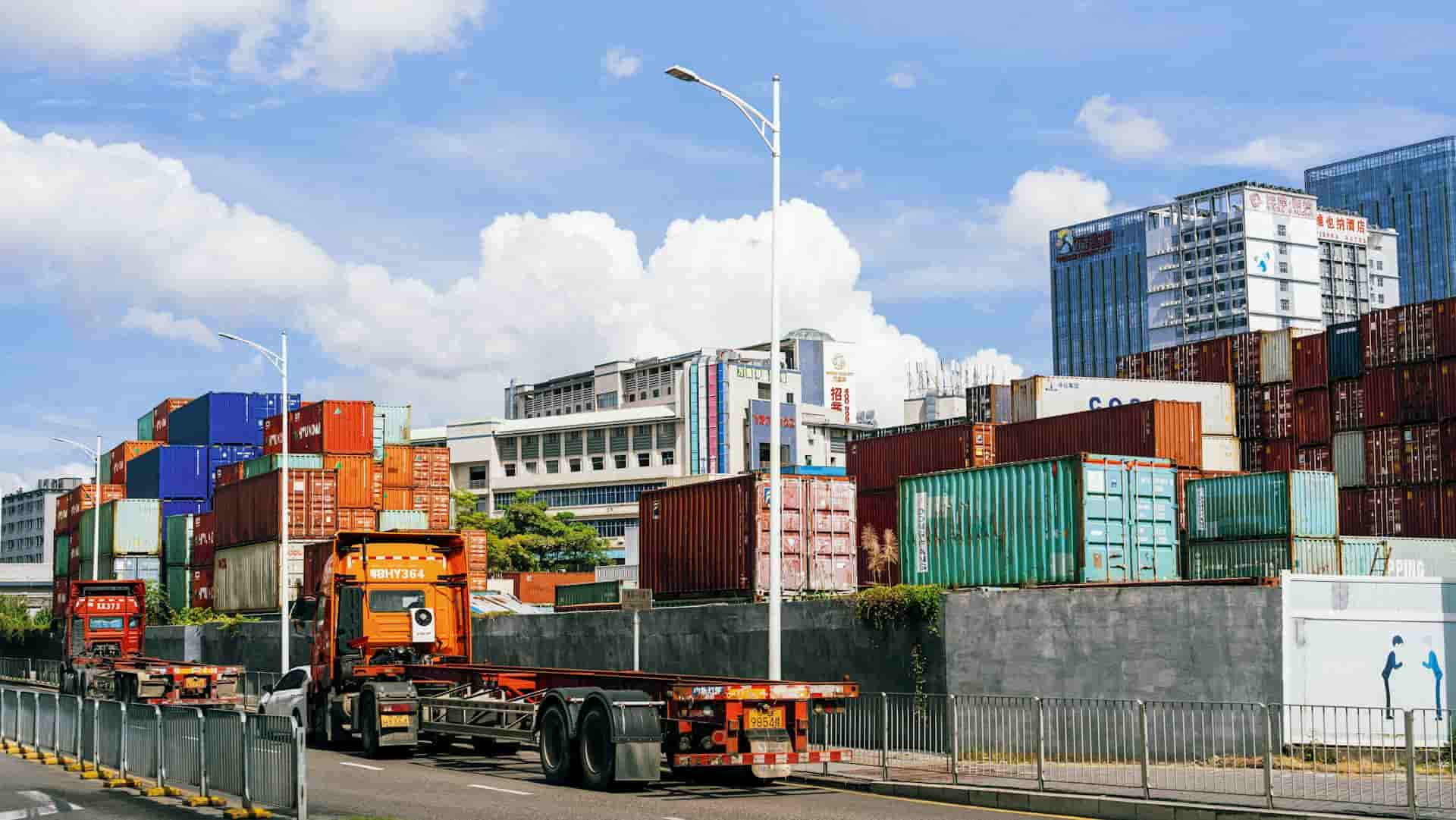
Drayage refers to the short-haul movement of freight, usually in shipping containers, between:
- Ports and warehouses
- Ports and rail terminals
- Rail yards and distribution centers
- Container freight stations (CFS) and final storage facilities
It is a specialized segment of trucking focused on intermodal freight, cargo that moves by more than one mode of transportation (ship, rail, truck).
While the distance covered is relatively short, the operational complexity is high. Drayage providers must coordinate with:
- Port authorities
- Steamship lines
- Rail operators
- Customs brokers
- Warehouse operators
- Freight forwarders
5 Types of Drayage Services
Different supply chain needs require different drayage solutions.
1. Port Drayage
Movement of containers between marine terminals and nearby facilities. In New York, NY, this typically involves the Port Newark-Elizabeth Marine Terminal.
2. Intermodal Drayage
Transfer of containers between rail ramps and warehouses or ports. This is critical for freight moving inland from coastal ports.
3. Transloading Drayage
Containers are moved to a facility where cargo is shifted from ocean containers to domestic trailers. This reduces inland transport costs.
4. Expedited Drayage
Used when freight must move immediately due to tight deadlines, congestion, or demurrage risk.
5. Reefer Drayage
Transportation of temperature-controlled containers for food, pharmaceuticals, or perishable goods.
6 Ways Drayage Supports Business Logistics
1. Connects Ocean Freight to Inland Transportation
International shipments typically arrive at a seaport in ocean containers. Those containers cannot move themselves to warehouses, rail yards, or distribution centers. Drayage bridges that gap.
Containers arriving at the port must be transported to:
- Local warehouses
- Transloading facilities
- Rail terminals for inland transport
Without drayage, cargo would remain idle at the port. This connection between ocean freight and domestic transportation is the first critical link in the supply chain.
2. Enables Intermodal Freight Movement
Most modern supply chains rely on intermodal transportation — using multiple modes such as ship, rail, and truck. Drayage is the connector between those modes.
For example:
- Ship → Drayage → Rail
- Rail → Drayage → Warehouse
- Port → Drayage → Distribution Center
Drayage ensures containers reach rail ramps before cutoff times and move efficiently between terminals. Without timely drayage, intermodal shipping loses its cost and time advantages.
3. Prevents Port Congestion and Costly Delays
Ports operate within strict pickup windows (“free time”), and delays lead to added fees—an increasing risk as U.S. port congestion has grown due to rising Asia–U.S. container trade and larger vessels delivering higher volumes at once.
- Demurrage charges
- Per diem fees
- Storage penalties
Efficient drayage prevents containers from sitting at terminals. This protects businesses from avoidable costs and reduces congestion at busy ports like those serving New York, NY. In dense logistics markets, delays can quickly cascade into missed delivery deadlines and disrupted inventory planning. Reliable drayage reduces this risk.
4. Supports Inventory Flow and Warehouse Operations
Drayage directly impacts warehouse efficiency.
When containers arrive on schedule:
- Labor can be scheduled accurately
- Dock space can be managed efficiently
- Inventory systems stay updated
- Distribution timelines remain intact
When containers are late:
- Warehouse staff may sit idle
- Retail restocking is delayed
- Production lines can stall
For businesses relying on lean or just-in-time inventory strategies, drayage plays a key role in maintaining operational continuity.
5. Reduces Total Supply Chain Costs
Although drayage covers short distances, it influences overall transportation expenses.
Poor coordination can lead to:
- Missed rail cutoffs
- Extended chassis usage fees
- Driver wait-time charges
- Emergency expedited shipments
Efficient drayage minimizes these hidden costs. By aligning port pickup times, rail schedules, and warehouse receiving windows, businesses reduce waste and improve cost predictability.
In competitive markets like New York, NY, cost control depends heavily on smooth port-to-warehouse coordination.
6. Strengthens Supply Chain Risk Management
Drayage sits at a high-risk point in the supply chain: the transition between transportation modes. Delays at this stage can ripple through the entire distribution network.
Common risks include:
- Port appointment cancellations
- Chassis shortages
- Traffic congestion
- Weather disruptions
- Labor slowdowns
An experienced drayage provider anticipates these risks and plans accordingly. Proactive scheduling, local port knowledge, and operational coordination help prevent disruptions before they escalate.
Why This Matters for Businesses in New York, NY
New York is one of the most active freight gateways in the United States. High container volumes, strict port procedures, and dense urban infrastructure make drayage both critical and complex.
Businesses moving freight through the region need a drayage partner that understands:
- New York port operations
- Appointment systems and cutoff times
- Chassis management
- Local traffic patterns
- Regulatory compliance
Drayage Company By Best operates within this environment, supporting businesses that require coordinated, efficient container transportation throughout the New York, NY area. Reliable drayage ensures freight moves quickly from port to warehouse or rail, keeping supply chains stable.
Choosing the Right Drayage Partner
Businesses should evaluate drayage providers based on:
- Experience with the ports of New York, NY
- Strong operational coordination
- Transparent communication
- Reliable equipment access
- Compliance with regulations
- Proven track record with intermodal freight
Companies require a drayage provider that understands local port systems, traffic patterns, and regulatory frameworks. Drayage Company By Best operates within this complex environment, supporting businesses with coordinated container transportation services designed to keep freight moving efficiently.
Frequently Asked Questions
What is the difference between freight and drayage?
The difference is that Freight is the goods being transported, while drayage is a short-distance trucking service that moves freight, often in containers, between nearby hubs like ports, rail yards, and warehouses.
What is another word for drayage?
A common alternative term is “container hauling,” and it’s also often referred to as “intermodal pickup and delivery” in logistics contexts.
What trucks are used for drayage?
Drayage commonly uses day-cab semi-trucks paired with chassis trailers designed to carry shipping containers, with specialized equipment used for overweight or temperature-controlled loads when needed.
What factors can cause delays in drayage?
Delays often stem from terminal congestion, appointment availability, chassis shortages, paperwork holds, traffic conditions, or unexpected wait times at pickup and drop-off points.
How is drayage pricing typically structured?
Pricing is usually based on distance, container type, time spent waiting, chassis usage, fuel surcharges, and any special handling needs such as after-hours service or equipment requirements.
Strengthen Container Logistics with a Trusted Drayage Provider in New York, NY
Efficient container movement is critical to maintaining supply chain continuity. Coordinated drayage services reduce delays, control port-related costs, and support consistent freight flow between terminals, rail yards, and warehouses. Drayage Company By Best operates as a dedicated drayage provider, delivering reliable container transportation solutions tailored to complex port and intermodal environments. Businesses moving freight through New York, NY, can rely on experienced operational support designed to keep cargo moving without disruption.
Contact Drayage Company by Best today to discuss container transportation needs in New York, NY.