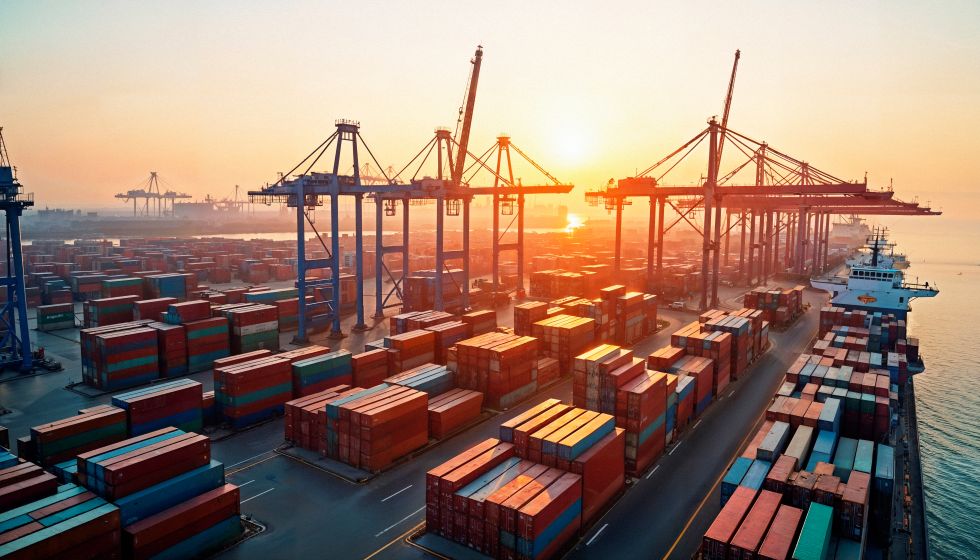
If your business imports, exports, or ships by rail in the New York City metro, you’re already using drayage, whether you call it that or not. Drayage is the short-distance transport of shipping containers or cargo, usually by truck, between ports and rail yards and nearby warehouses, distribution centers, fulfillment facilities, factories, and job sites.
In a region anchored by the Port of New York and New Jersey, which ranks as the largest container port on the U.S. East Coast, drayage keeps inventory moving into and through the NYC market.
Table of Contents
Key Takeaways
✔ Drayage is short-distance container hauling that connects ports/rail yards to local facilities.
✔ In NYC, time and access rules often matter more than mileage.
✔ Equipment availability (especially chassis) can make or break pickup schedules.
✔ Clear documentation and appointment discipline reduce failed pickups and redeliveries.
✔ The best drayage outcomes come from planning the pickup, delivery, and empty return as one workflow.
What is Drayage?
Drayage is best understood by what it does:
➤ It moves containerized freight short distances between intermodal hubs and local facilities.
➤ It starts or finishes a longer move that uses ocean or rail for the line-haul portion.
➤ It is where many time-based costs show up, because containers, chassis, and terminal appointments all run on tight windows.
Most drayage work involves standard intermodal containers (commonly 20-foot or 40-foot units) and the chassis they ride on.
Your long-haul carrier might be an ocean line or a railroad, but the drayage carrier is usually the one interacting with terminals, appointment systems, gates, and local delivery constraints.
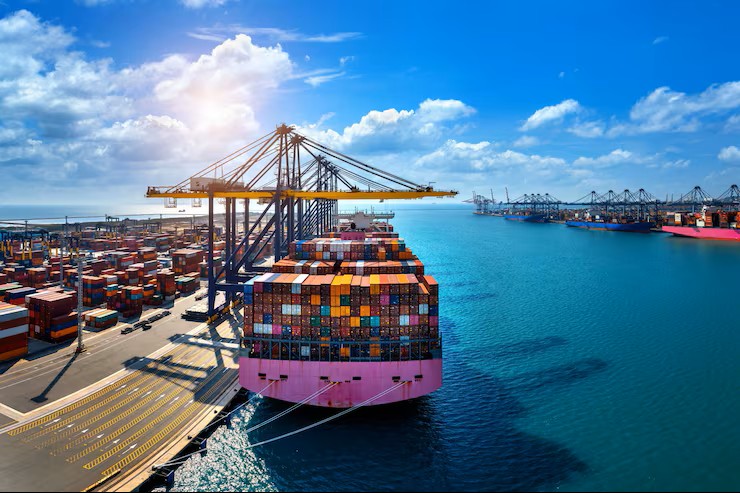
Where Drayage Fits in Intermodal Shipping
Intermodal shipping means freight moves using more than one mode, typically ship, rail, and truck, while staying in the same container for most of the journey. Drayage is the truck segment that makes the intermodal chain functional at the local level.
Here are the two most common flows for NYC-area businesses:
Import Container Flow Through a Port
- The container arrives by vessel at a marine terminal.
- The terminal releases the container for pickup (often by appointment).
- A drayage truck hauls the container to a local warehouse, distribution center, or transload facility.
- The empty is returned to the required location (terminal, depot, or other designated site).
Rail Intermodal Flow Through a Ramp
- Container arrives at an intermodal rail facility.
- A drayage truck hauls it to the consignee or a staging yard.
- The equipment is returned per the rail provider’s requirements.
When businesses say “the shipment is stuck at the port” or “we cannot get the container out,” the problem is often at the drayage level. It can be appointment availability, chassis supply, congestion, delivery scheduling, or a mismatch between terminal rules and the receiver’s readiness.
Common Types of Drayage Moves
Drayage is not one single type of haul. The term covers several short-distance container moves that connect ports and rail terminals to local facilities, and each one has its own workflows, timing pressures, and cost risks.
Port Drayage
Port drayage moves containers between a marine terminal and a nearby local facility, such as:
- Warehouses
- Distribution centers
- Fulfillment hubs
- Transload sites
It also includes the required empty container return, which is a standard part of port moves.
Rail Drayage
Rail drayage connects intermodal rail ramps to nearby businesses by hauling containers:
- From the rail terminal to your facility
- From your facility back into rail for outbound freight
This is common for companies using rail for long-distance shipping but needing a truck link locally.
Transload Support
Transload drayage delivers a container to a facility where freight is shifted into domestic equipment. This is often used when:
- A warehouse cannot unload full containers efficiently
- One container needs to be split across multiple deliveries
- Businesses want more flexibility for local NYC distribution
Shuttle and Yard Moves
Shuttle and yard moves reposition containers between terminals, yards, and staging locations. These moves help when:
- Receivers are not ready
- Appointment windows are tight
- Containers need temporary storage before delivery
Time-Critical Moves
Time-critical drayage supports shipments tied to strict deadlines, including:
- Production schedules
- Job-site delivery requirements
- Retail or e-commerce fulfillment cutoffs
In NYC, expedited service often depends more on coordination and appointment execution than speed alone.
What To Look for in a Drayage Provider in New York City
Price matters, but service fit often determines true cost. In a market where nearly 90% of goods move by truck around the city, routing knowledge and execution discipline are not optional.
When evaluating a drayage partner, focus on:
- Terminal familiarity: Experience with Port of NY/NJ terminal workflows and appointment systems.
- Communication: Consistent status updates and fast escalation when problems arise.
- Operational realism: Understanding of NYC route constraints, congestion patterns, and delivery site limitations.
- Equipment and process discipline: Fewer preventable failures around chassis, documentation, and return requirements.
- Problem-solving capacity: Ability to offer workable options when a same-day plan breaks.
Frequently Asked Questions (FAQs)
Most pickups require an equipment release or booking reference, container number, pickup location, and delivery details. Some terminals also require driver and vehicle details tied to an appointment.
Responsibility depends on the contract terms, the point of custody transfer, and the cause of loss. Many businesses address this upfront through insurance requirements, written operating procedures, and clear claims steps.
A chassis pool is a shared supply of chassis used across multiple carriers and terminals. When pools are tight or equipment is out of service, pickups can be delayed even if the container is available.
Sometimes, but it depends on access, routing constraints, delivery windows, and whether the site can physically accept a container on a chassis. Many businesses route containers to outer-borough or New Jersey facilities first, then deliver freight onward in smaller equipment.
Provide origin terminal or rail ramp, delivery ZIP, container size, weight, delivery hours, any site restrictions, and how empties will be returned. Missing details often turn into surprise accessorials later.
Plan Your Next NYC Drayage Move Today
If you want a drayage partner that understands NYC-area terminal workflows and the practical details that affect pickup speed, delivery success, and empty returns, Drayage Company By Best is a strong option to consider.
Share your origin terminal or rail ramp, delivery ZIP, container size and weight, and receiving hours, and our team can help you map a clear plan for your next move.
Ready to talk logistics in New York City? Visit Drayage Company By Best today.