
Lead time matters for freight shipping pricing because more notice lets carriers plan efficiently and sell standard, lower-cost capacity, while short notice forces premium spot rates, last-minute capacity, or expedited shipping services that can raise costs fast.
If you use drayage services or move containers through the Port of New York, lead time often decides whether you pay for a normal move or a scramble.
Table of Contents
Highlights✔ More lead time usually means lower freight rates. ✔ Short notice often triggers spot premiums or expedited shipping services. ✔ Lead time includes booking, pickup, transit, and processing. ✔ NYC drayage services are highly appointment- and fee-sensitive to timing. ✔ Plan backward and confirm details early to protect cost and schedules. |
What Is Lead Time in Shipping?
In freight transportation, lead time is the total time from when a shipper requests a move to when the shipment is delivered or ready for the next step. It includes more than driving time.
Here’s what lead time commonly includes for freight:
- Booking lead time: How far ahead you schedule the load and secure a carrier.
- Pickup lead time: How quickly a truck can arrive, get loaded, and depart.
- Transit time: The linehaul portion of the move.
- Processing time: Dock appointments, terminal handling, warehouse receiving windows, and any inspection or paperwork steps.
Freight Pricing Basics: What You’re Actually Paying For
Freight rates are not just “miles times a number.” Pricing reflects a carrier’s real cost to serve the lane and the opportunity cost of assigning a truck and driver to your shipment instead of another.
Most business freight quotes are shaped by:
- Capacity availability: How many trucks or drivers are available where and when you need them.
- Lane balance and network efficiency: Whether the carrier can find a good next load, reduce deadhead miles, and keep equipment moving.
- Equipment and handling needs: Dry van, reefer, flatbed, container chassis, liftgate, inside delivery, and other requirements.
- Service level: Standard scheduling versus guaranteed or time-critical options.
- Accessorial risk: Detention, layover, re-delivery, storage, and appointment failures.
Why Lead Time Changes Freight Pricing
Lead time affects price because it changes how efficiently carriers can serve your shipment.
With longer lead time, carriers can:
- Optimize routes and reduce deadhead miles, which lowers the all-in cost to serve your load.
- Fill capacity more efficiently, pairing your shipment with other freight in a network plan.
- Use standard service, rather than reserving expensive contingency options.
- Offer more competitive bids, because they are not reacting to urgency.
What lead time means in shipping is also how much flexibility the market has to serve you without charging urgency premiums:
- Last-minute bookings reduce carrier choice, which pushes you toward higher spot quotes.
- Premium spot rates show up when a carrier must reposition a truck quickly or disrupt a planned route.
- Expedited shipping services become more likely when you need delivery certainty under a tight window.
- More accessorial exposure happens when rushed shipments miss appointments or arrive outside receiving hours.

How To Reduce Freight Costs Using Better Lead Time (Steps)
Step 1: Work backward from the delivery requirement
Start with the required delivery date, then set internal deadlines for:
- Purchase order readiness
- Pick and pack completion
- Booking cutoff
- Pickup window and dock appointment
This is the simplest way to turn “urgent” loads into planned loads.
Step 2: Set lead time targets by freight type
Different moves need different runway:
- Port drayage and containers: Aim for earlier scheduling because appointments, chassis planning, and terminal processes can be limiting.
- Routine truckload or LTL: Build enough lead time to request multiple quotes and protect pickup flexibility.
- Truly time-critical moves: Reserve expedited shipping services for loads where the business impact of delay exceeds the premium cost.
At the port level, what lead time means in shipping is the time needed to secure appointments, coordinate equipment, and avoid unnecessary container time exposure.
Step 3: Improve forecast visibility across teams
Late freight is often a communication problem, not a trucking problem. Align purchasing, production, sales, and warehouse teams so transportation is not the last department to find out.
Step 4: Widen pickup and delivery windows when possible
A broader pickup window can unlock lower-cost capacity because carriers can fit you into an efficient route. Tight windows compress choices and raise the likelihood of premium pricing.
Step 5: Pre-clear shipment details that trigger delays
Reduce last-minute back-and-forth by confirming:
- Accurate ship-from and ship-to locations
- Weight, dimensions, and commodity details
- Access requirements and receiving hours
- Appointment needs and contact information
Step 6: Use a repeatable checklist for drayage services
For NYC-area container moves, confirm the basics early:
- Container availability and release details
- Appointment requirements
- Warehouse receiving slot
- Return plan and cutoffs
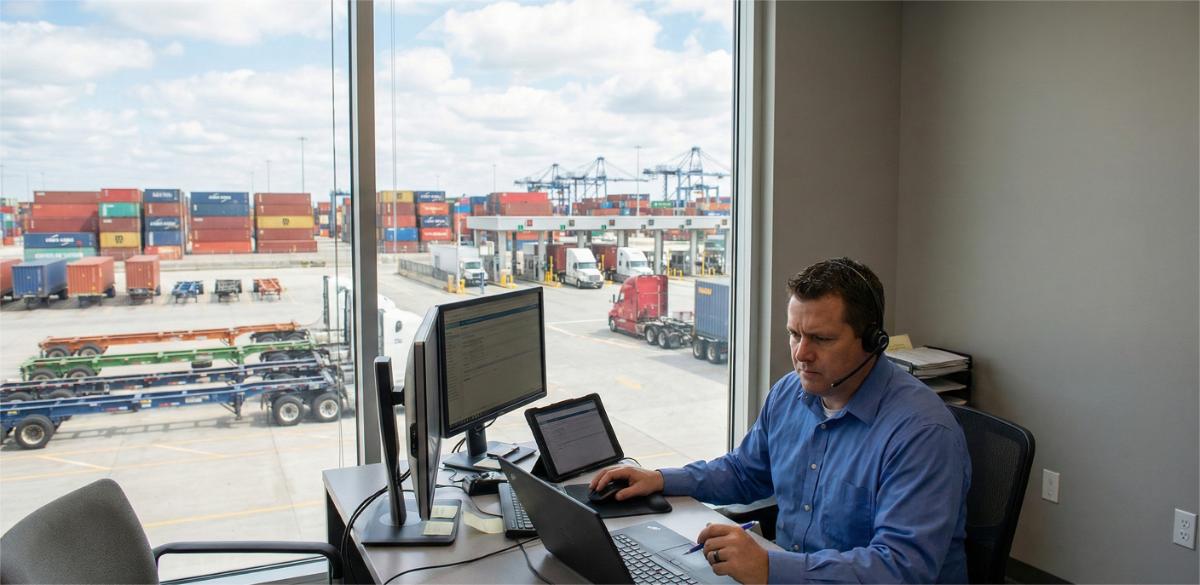
Where Drayage Services Fit In: Lead Time at Ports, Terminals, and NYC Congestion
Drayage services move containers short distances, usually between a marine terminal or rail ramp and a warehouse, distribution center, or transload site. In the NYC region, timing is tightly linked to how the Port of New York and New Jersey operates.
Lead time matters more in drayage because port moves are appointment-driven and compliance-heavy:
- Appointment systems control when containers can be picked up and returned.
- Terminal gate processes and ID requirements add extra steps compared to standard dock-to-dock freight.
- Demurrage and detention can add up quickly when timing slips, and the FMC’s invoice requirements effective May 28, 2024 reinforce the need to track these charges accurately.
Frequently Asked Questions (FAQs)
What is the main goal of lead time?
The main goal of lead time is to set a realistic timeline for ordering, production, and delivery, so shipments arrive when needed without unnecessary delays or extra costs.
Is shorter lead time always better?
Not always. Shorter lead time can improve speed, but it often raises freight costs by limiting carrier options and increasing the need for premium capacity or expedited shipping services.
How is lead time used in supply chain?
Lead time is used to plan purchasing, inventory levels, production schedules, and shipping timelines, helping businesses prevent stockouts, reduce downtime, and meet customer delivery expectations.
What are the factors affecting lead time?
Common factors include supplier readiness, production time, carrier availability, transit distance, port/terminal scheduling, warehouse appointments, congestion, weather, and customs or paperwork delays.
How to improve lead time?
You can improve lead time by forecasting demand earlier, scheduling freight in advance, tightening internal handoffs, confirming shipping details upfront, and building buffer time for busy lanes or port moves.
Talk With Drayage Company By Best in NYC About Smarter Lead-Time Planning
If your business moves containers or ships freight through NYC-area terminals and warehouses, lead time is one of the clearest ways to improve cost control and predictability.
Drayage Company By Best in NYC helps businesses coordinate drayage services with the details that often drive avoidable expenses, including pickup scheduling, warehouse receiving windows, and port-related timing requirements.
Connect with us today.