
Selecting a drayage partner isn’t just another logistics decision — it affects container flow, delivery timelines, operational costs, and customer satisfaction. With ports becoming more congested and supply chains more complex, businesses depend on drayage services that can move containers quickly, safely, and efficiently.
Here are the top seven questions every shipper should ask to evaluate a provider’s capabilities, service quality, and operational strength. Along the way, the information brings clarity to what drayage really involves, why it matters, and how to identify the right company for long-term success.
Table of Contents
Key Takeaways
✔ Experience in drayage services is essential, as seasoned providers understand port operations, regulations, and the challenges of container movement.
✔ Equipment quality and fleet capabilities directly impact reliability, especially during peak shipping seasons when demand and congestion increase.
✔ On-time performance matters, and real customer reviews, metrics, and case studies help reveal how consistently a provider meets deadlines.
✔ Transparent communication and real-time tracking improve visibility, reducing confusion and helping shippers stay informed throughout the drayage process.
✔ Scalability, safety, and clear pricing are crucial factors, ensuring a provider can support growing freight needs while maintaining compliance and cost control.
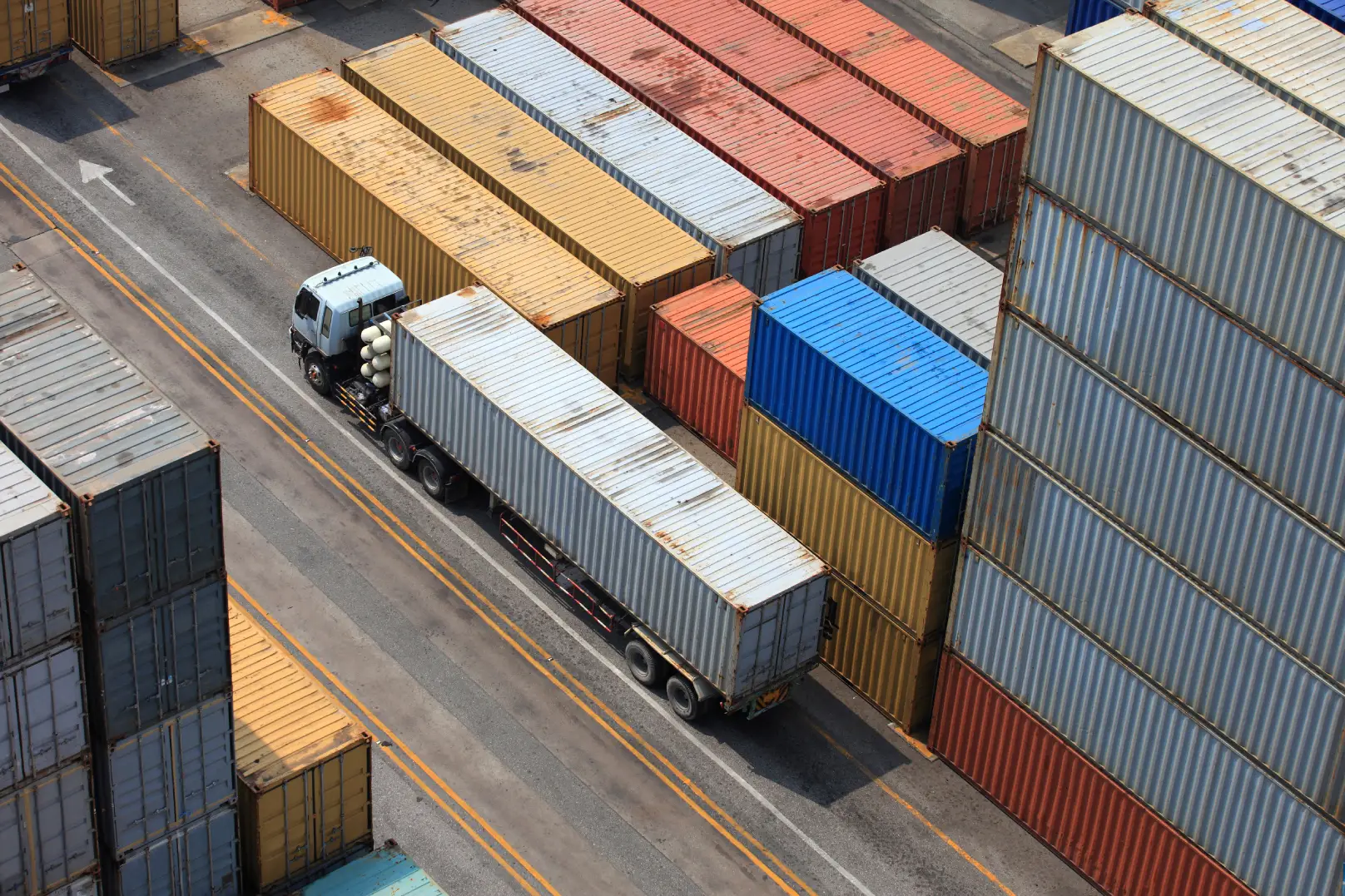
Top 7 Questions for Choosing Drayage Services
1. What Is the Company’s Experience in Drayage Services?
Experience is one of the strongest predictors of reliability. A company with years of hands-on knowledge in drayage services understands port operations, rail yard protocols, appointment systems, and the complexities that come with container transport. Seasoned providers also anticipate challenges like chassis shortages, congestion, and customs delays.
When comparing companies, consider their track record specifically with drayage services, not just general trucking. A knowledgeable partner helps minimize risks, navigate regulations, and keep freight moving on time.
2. What Types of Equipment and Fleet Capabilities Do They Offer?
Not all drayage companies operate with the same tools. A strong provider invests in diverse equipment — including chassis, well-maintained trucks, specialized gear for oversized containers, and technology that supports efficient dispatching
Fleet size and condition play a major role in the consistency of drayage services. A provider that owns or has guaranteed access to the necessary equipment can support everything from standard containers to temperature-controlled or heavy cargo units. This capability becomes especially important during peak seasons, when demand surges and equipment availability tightens.
3. Are They Reliable With On-Time Performance?
When containers sit too long, costs stack up quickly through detention, per diem, and storage fees. That’s why reliability is a top consideration when evaluating drayage services. Shippers should look for partners with a documented history of on-time pickups and deliveries.
Customer testimonials, performance metrics, and case studies offer a clear look at how reliably a provider meets deadlines. Nearly 3 in 4 customers now leave reviews on platforms like Google after working with a business, making real-world feedback an important indicator of consistency.
Providers with solid operational systems are typically the ones that manage unexpected setbacks — such as port slowdowns, equipment mismatches, or heavy traffic — with minimal disruption.
4. Do They Provide Real-Time Tracking and Transparent Communication?
Visibility has become a crucial part of modern drayage services. Shippers need to know where their containers are, when they’ll arrive, and if any exceptions occur along the way.
A high-performing drayage company offers technology that supports real-time tracking, automated updates, and fast communication between dispatchers, drivers, and customers. Transparent communication reduces confusion, prevents bottlenecks, and gives shippers confidence in the status of their freight.
5. What Are Their Pricing Structure and Additional Fees?
Drayage pricing can vary widely depending on equipment, distance, port conditions, and accessorial charges. Some of the most common additional fees include:
- Detention
- Per diem
- Chassis splits
- Congestion surcharges
- Pre-pulls
A trustworthy partner in drayage services explains costs clearly and provides transparent rate sheets so there are no surprises. Shippers should request detailed quotes and ensure they understand what is included, what’s extra, and how the provider handles changes in port conditions or fuel costs.
6. What Safety and Compliance Standards Do They Follow?
Safety and compliance are non-negotiable. A drayage provider should meet strict DOT and OSHA requirements, maintain proper insurance, and follow all federal and state regulations. Their drivers should be experienced, trained, and held to consistent safety standards.
Reputable companies offering drayage services emphasize risk management, cargo security, and clean safety records. Choosing a compliant partner reduces liabilities, protects shipments, and demonstrates professionalism throughout the logistics chain.
7. Can They Scale Services as Shipping Needs Grow?
A freight operation may start small, but demands often scale quickly — especially during seasonal spikes or unexpected increases in container volumes. The best drayage services providers offer flexibility and scalability.
They should be able to increase capacity, adjust schedules, and support higher volumes without sacrificing performance. This adaptability ensures that shippers have a dependable partner through growth phases and market fluctuations.
Is There a Difference Between Drayage and Container Shipments?
Yes, and understanding the distinction is key. Drayage refers specifically to the short-distance movement of containers, typically between ports, rail yards, warehouses, and distribution centers. Container shipments, on the other hand, describe the full journey of cargo — domestic or international — across long distances through trucking, rail, or ocean carriers.
Drayage services act as the connector between these larger freight legs. Without dependable drayage services, containers get stuck at ports, deliveries get delayed, and supply chains start backing up. This relationship highlights why choosing the right drayage partner is so important.
How to Find Drayage Shippers
Finding the right company requires research and due diligence. A few reliable ways to start include:
- Search online logistics directories and marketplaces
- Ask freight forwarders or carriers for referrals
- Check port websites for certified drayage providers
- Review online ratings and customer feedback
- Verify insurance, compliance, and service areas
Companies that specialize in drayage services and demonstrate strong communication, fair pricing, and proven reliability stand out quickly during the evaluation process.
Frequently Asked Questions (FAQs)
What makes a drayage company more dependable than others?
A dependable provider consistently follows through on commitments, communicates clearly, and has the operational capacity to handle fluctuating container volumes. Reliability often comes from strong internal processes, experienced staff, and a well-maintained fleet. Companies that invest in technology and proactive problem-solving tend to outperform those that react last-minute to issues.
How long does drayage typically take from port to warehouse?
Drayage timelines vary based on port congestion, appointment availability, driver capacity, and distance to the destination. In many cases, a standard move can be completed within the same day, but delays at terminals can extend the process. Shippers should ask for realistic estimates and understand what factors may cause timing changes.
What happens if a container is delayed at the port?
Delays can occur from customs holds, vessel congestion, equipment shortages, or appointment limitations. A strong provider will communicate quickly, offer options like pre-pulls, and help minimize extra storage charges. Understanding the company’s approach to port delays gives shippers insight into their responsiveness and planning abilities.
What should shippers look for in customer support?
Strong customer support includes fast response times, clear communication, knowledgeable staff, and consistent availability during critical hours. A good drayage partner assigns dedicated points of contact who understand the shipper’s workflows. Support teams that act proactively instead of reactively add significant value to the overall experience.
Do all drayage providers work the same hours?
Not necessarily. Some operate on extended schedules, while others keep standard business hours. It’s helpful to ask about general availability so expectations match.
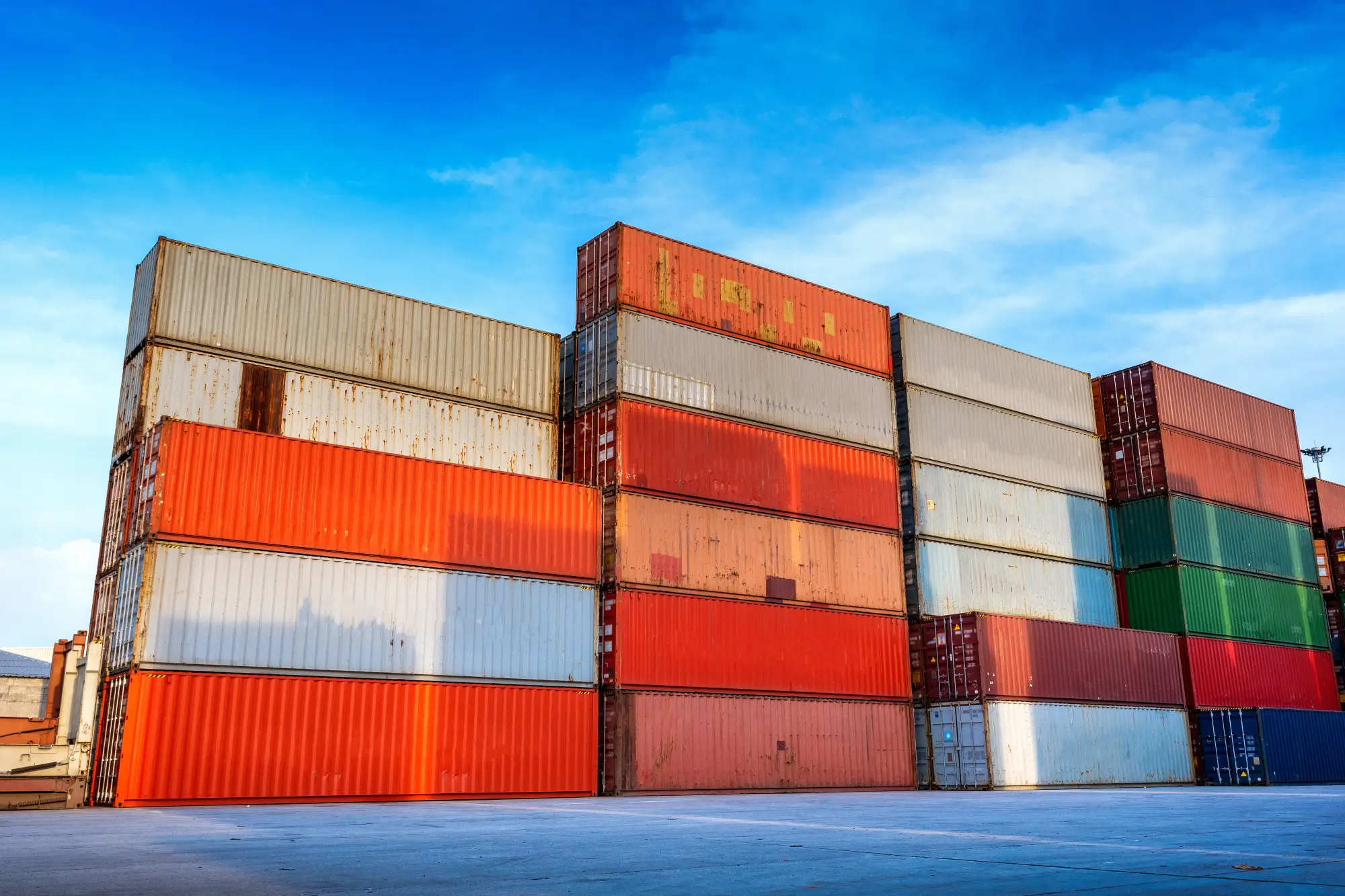
Partner With Trusted Drayage Company By Best in New York City!
Reliable container movement matters, and partnering with a drayage team that understands the demands of New York City can keep freight moving without unnecessary delays. With a presence rooted in New York City and the surrounding port network, Drayage Company By Best provides the support, coordination, and experience needed for smooth container transport. Every shipment benefits from local insight, dependable communication, and a service approach built for the fast-paced logistics environment of New York City.
Contact Drayage Company By Best today to get started.